What Is the Normal Blood Pressure for Each Age?
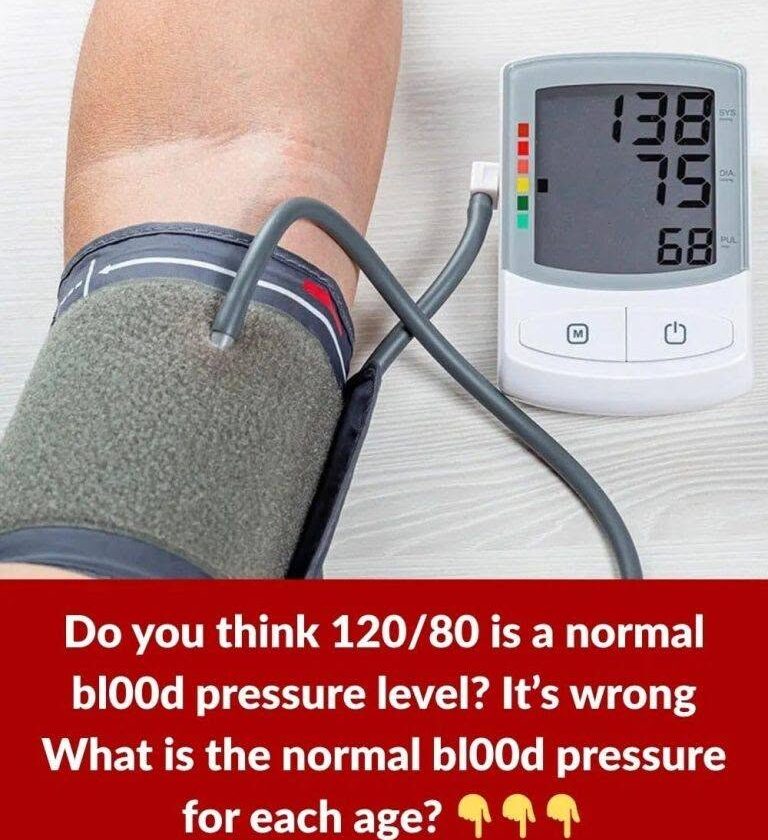
Blood pressure does not have one exact “normal” number for every age. It depends on overall health, medications, activity level, and medical conditions. In general, a healthy adult blood pressure is around 120/80 mmHg or lower, but targets may differ for older adults.
Blood pressure is written as:
- Systolic (top number): pressure when the heart beats
- Diastolic (bottom number): pressure when the heart relaxes
General blood pressure ranges by age
| Age group | Typical healthy range (approximate) |
|---|---|
| Children | Varies greatly by height and development |
| Teens (13–17) | Around 110–120 / 65–80 mmHg |
| Adults (18–39) | Around 110–130 / 70–85 mmHg |
| Adults (40–59) | Around 120–135 / 75–85 mmHg |
| Adults 60+ | Often around 120–140 / 70–90 mmHg (individual targets vary) |
Blood pressure categories for adults
- Normal: Less than 120/80 mmHg
- Elevated: 120–129 and less than 80 mmHg
- High blood pressure (Stage 1): 130–139 or 80–89 mmHg
- High blood pressure (Stage 2): 140 or higher or 90 or higher
- Hypertensive crisis: 180/120 or higher (requires urgent medical attention, especially with symptoms)
Why blood pressure may rise with age
As people get older:
- Blood vessels can become less flexible
- Arteries may stiffen
- Lifestyle and health conditions can affect pressure
A slightly higher reading in an older adult is not always treated the same way as in a younger person; doctors consider overall health and risks