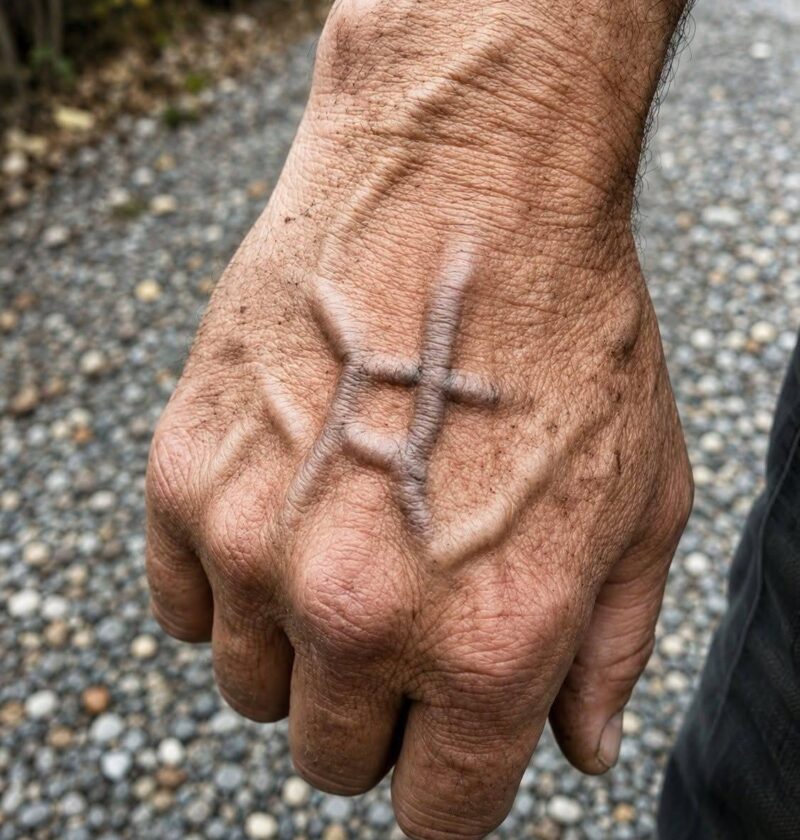
Visible veins are a common thing, and they do not automatically mean something is wrong. In many cases, they simply reflect normal differences in skin, body composition, genetics, or activity level.
Here are some common reasons veins may become more noticeable:
- Lower body fat
- Less fat under the skin can make veins appear more prominent, especially on the hands, arms, legs, or abdomen.
- Aging skin changes
- Skin becomes thinner and loses some elasticity with age, making veins easier to see.
- Genetics
- Some people naturally have more visible veins because of inherited skin thickness, vein size, or body structure.
- Exercise and muscle development
- Strength training and endurance exercise can increase blood flow and make veins stand out more.
- Heat exposure
- Warm temperatures can cause blood vessels to expand, making veins appear more visible.
- Dehydration
- Lower fluid levels can sometimes make veins look more pronounced.
- Pregnancy or hormonal changes
- Increased blood volume and hormonal effects can make veins more noticeable.
When visible veins may need medical attention
Contact a healthcare professional if visible veins are accompanied by:
- Sudden changes in appearance.
- Pain, warmth, redness, or swelling.
- Veins that become hard or tender.
- New bulging, twisted veins (especially in the legs).
- Skin color changes or sores near enlarged veins.
For many people, visible veins are simply a normal feature of their body—not a sign of being healthier or unhealthier by themselves. The meaning depends on where the veins are, how they changed, and whether there are other symptoms.