Natural and Powerful Homemade Weed Control: What Works and What to Avoid
Many gardeners look for homemade weed killers to avoid using harsh chemicals. Some natural methods can help control weeds, but it is important to know that “natural” does not always mean harmless—some homemade mixtures can damage desirable plants, soil, or nearby surfaces.
1. Boiling Water (Simple and Effective)
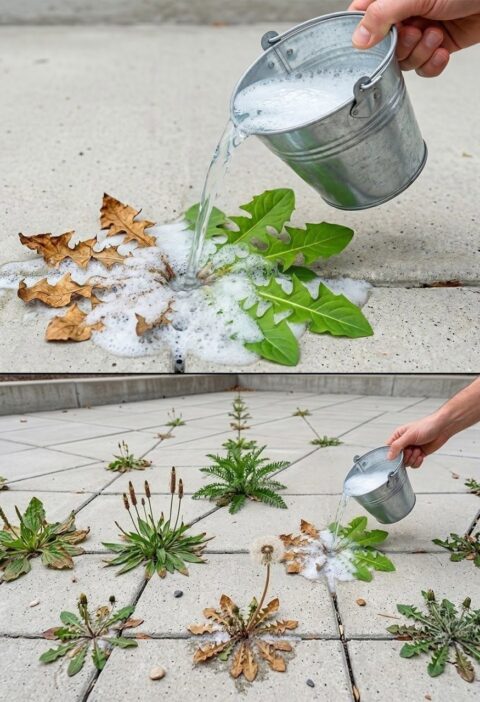
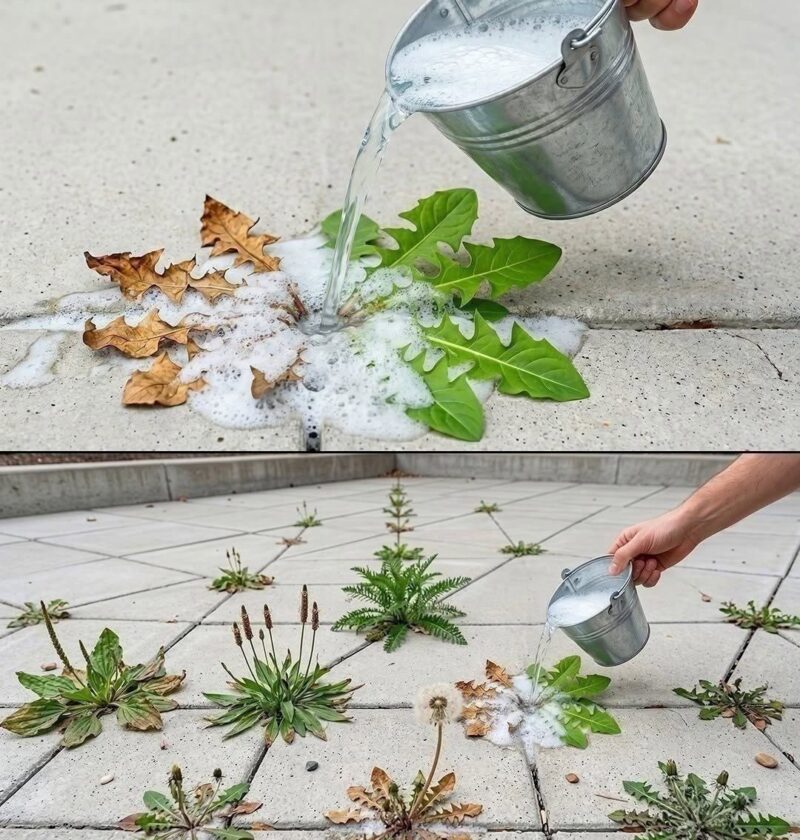
Pouring boiling water directly onto weeds can kill many small weeds by damaging their leaves and roots.
Best for:
- Cracks in sidewalks
- Driveways
- Gravel paths
Avoid using near: lawns, flowers, or plants you want to keep.
2. Mulch (One of the Best Long-Term Methods)
A layer of mulch blocks sunlight and makes it harder for weeds to grow.
Options include:
- Wood chips
- Straw
- Compost
- Leaves
Mulch also helps retain moisture and improve soil health.
3. Hand Pulling After Rain
Weeds are easier to remove when the soil is damp.
Tips:
- Pull slowly to remove the roots.
- Use a weeding tool for deep-rooted plants.
- Remove weeds before they produce seeds.
4. Vinegar-Based Sprays (Use Carefully)
Household vinegar can damage weed leaves, especially on young weeds.
However:
- It often does not kill deep roots.
- Stronger vinegar products can be hazardous.
- It may harm nearby plants and soil organisms.
Apply carefully and avoid spraying areas where you want other plants to grow.
5. Corn Gluten Meal (Preventive Approach)
Corn gluten meal may help prevent some weed seeds from sprouting when used correctly.
It works best as a weed-prevention method, not as a way to kill existing mature weeds.
6. Smothering Weeds
Covering weeds with:
- Cardboard
- Thick newspaper layers
- Landscape fabric
can block light and gradually weaken them.
Homemade Weed Spray Example (For Non-Garden Areas)
A simple mixture sometimes used for paths and cracks:
- Water
- A small amount of household vinegar
- A few drops of dish soap to help the solution spread
Important: Use only where you do not want plants to grow. It can harm grass, flowers, and garden plants