7 Walking Mistakes That Can Affect Your Health After 50, According to Health Experts
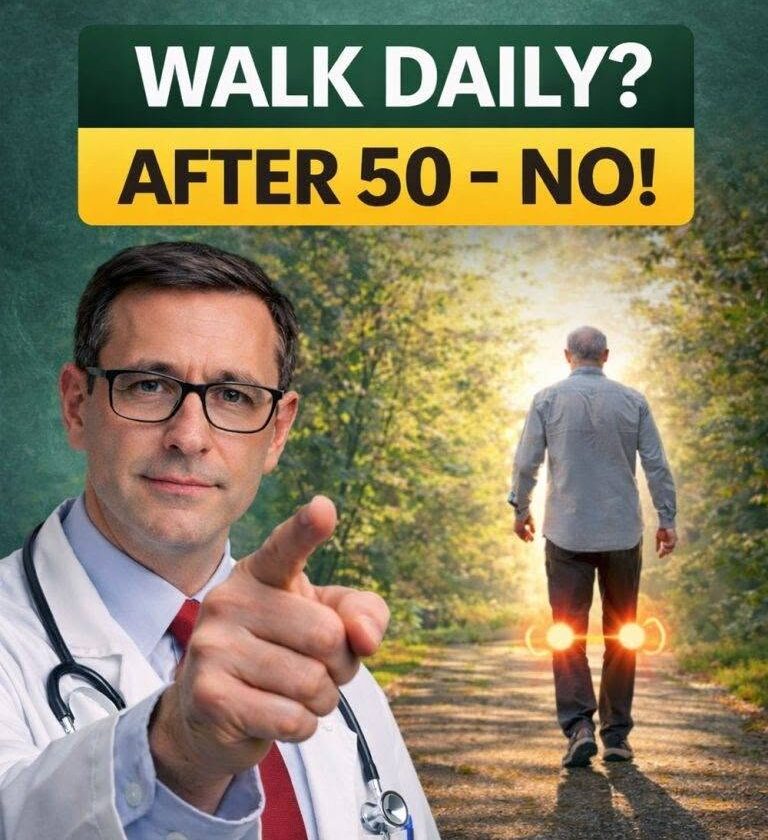
Walking is one of the simplest ways to support heart health, balance, muscle strength, and independence as we age. However, certain walking habits can reduce its benefits or increase the risk of discomfort and injury.
Here are 7 common walking mistakes to watch for after age 50:
1. Walking Too Much, Too Soon
Increasing distance or intensity too quickly can strain:
- Knees
- Hips
- Feet
- Lower back
Better approach: Increase your walking time gradually and allow your body time to adapt.
2. Ignoring Posture
Poor posture while walking may contribute to:
- Neck and back discomfort
- Reduced balance
- Less efficient movement
Helpful habits:
- Keep your head up
- Relax your shoulders
- Look ahead instead of constantly looking down
3. Wearing the Wrong Shoes
Old or poorly fitting shoes can affect walking comfort and stability.
Look for:
- Good support
- Proper fit
- Adequate cushioning
- A secure heel
Replace shoes when the soles are worn or support has decreased.
4. Skipping Warm-Up and Cool-Down
Starting suddenly at a fast pace may make muscles and joints feel stiff.
Try:
- A few minutes of gentle walking first
- Light stretching afterward if it feels helpful
5. Walking With Short, Uneven Steps
Some people naturally shorten their stride as they age, but overly small or uneven steps can affect balance.
Practicing:
- Controlled steps
- Good posture
- Strength and balance exercises
may help maintain mobility.
6. Ignoring Pain
Mild muscle soreness can happen, but persistent pain is a signal to pay attention.
Do not ignore:
- Chest pain
- Severe joint pain
- New swelling
- Dizziness
- Shortness of breath
7. Not Paying Attention to Safety
Falls become a greater concern with age.
Safety tips:
- Walk in well-lit areas
- Be cautious on uneven surfaces
- Consider supportive footwear
- Carry a phone if walking alone
- Use mobility aids if recommended