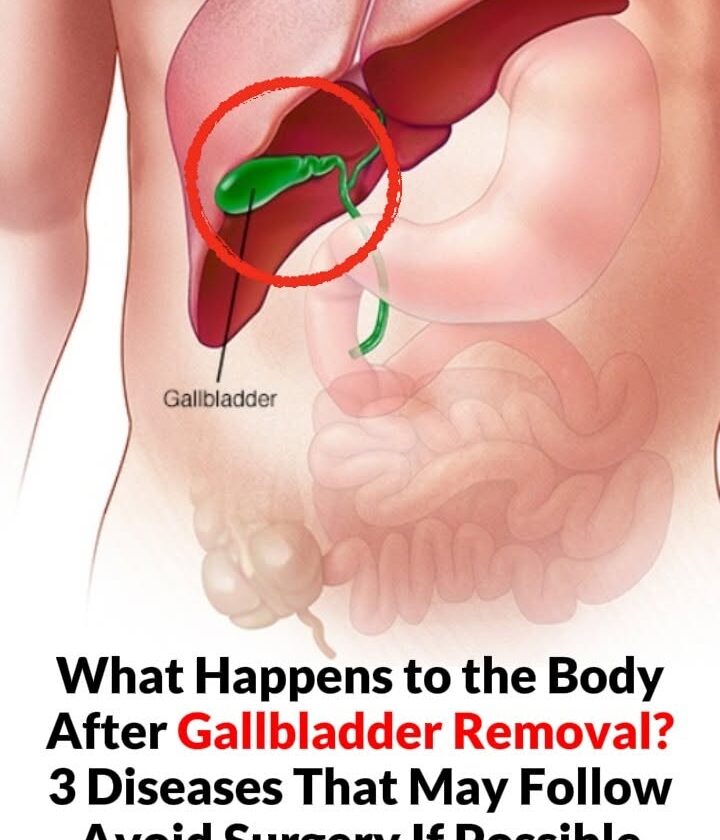
What Happens to the Body After Gallbladder Removal?
The gallbladder stores and concentrates bile made by the liver. After gallbladder removal (cholecystectomy), the liver still produces bile, but it flows directly into the small intestine instead of being stored in the gallbladder.
Most people recover well and live normal lives without a gallbladder.
Possible changes after surgery
1. Digestive symptoms
Some people experience:
- Diarrhea
- Bloating
- Gas
- Difficulty digesting large, fatty meals
These symptoms are often temporary and improve over time.
2. Bile acid diarrhea
A small number of people develop ongoing diarrhea because bile enters the intestine continuously. This can often be treated with dietary changes or medications if needed.
3. Post-cholecystectomy syndrome
A minority of people continue to have abdominal pain, indigestion, or other digestive symptoms after surgery. These symptoms may be due to changes in bile flow or to another digestive condition that was present all along.
Does gallbladder removal cause diseases?
Headlines often claim it leads to “three diseases,” but the evidence is more nuanced.
Some studies have found associations between gallbladder removal and certain digestive or metabolic conditions, such as:
- Bile acid diarrhea
- Changes in the gut microbiome
- A slightly increased risk of some digestive disorders
However, these are associations, not proof that the surgery directly causes those diseases. Many people who need gallbladder surgery already have underlying health factors that may contribute to these risks.
Should surgery be avoided?
Not if it is medically indicated.
Gallbladder removal is commonly recommended for:
- Recurrent painful gallstones
- Acute gallbladder inflammation (cholecystitis)
- Gallstone pancreatitis
- Other gallbladder complications
Delaying surgery in these situations can increase the risk of serious complications, including infection or pancreatitis.
If gallstones are found incidentally and are not causing symptoms, surgery is often not recommended.
Supporting recovery
After surgery, many people benefit from:
- Eating smaller, more frequent meals initially
- Gradually reintroducing fats rather than eating very fatty meals right away
- Staying physically active as advised
- Following up with their healthcare provider if diarrhea or pain persists