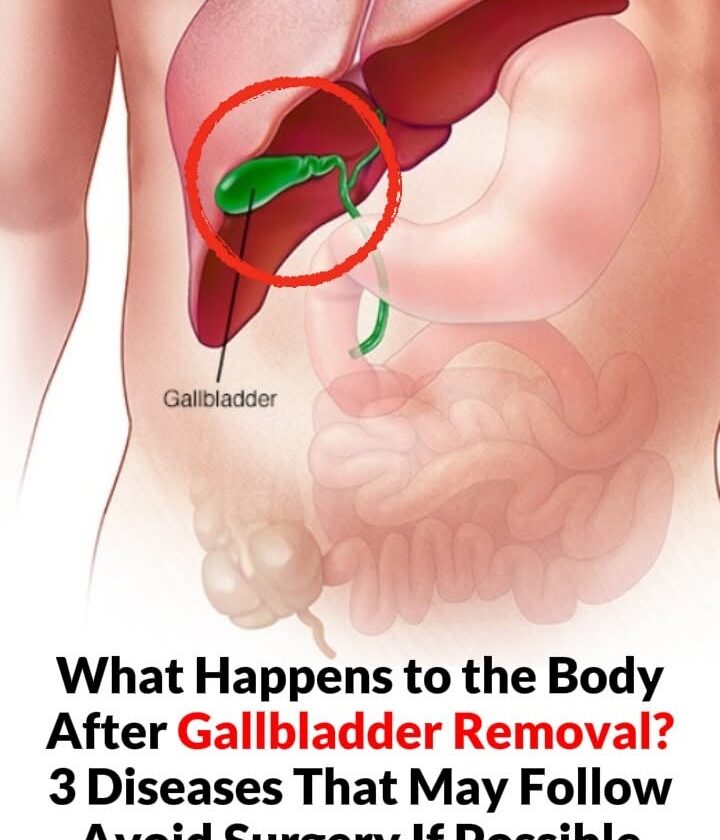
What Happens to the Body After Gallbladder Removal? Understanding the Facts
Gallbladder removal surgery (cholecystectomy) is a common procedure used to treat problems such as repeated gallstones, gallbladder inflammation, or complications from gallbladder disease. Many people recover well and continue living normally without a gallbladder.
The gallbladder’s main job is to store bile, a fluid made by the liver that helps digest fats. After removal, bile flows directly from the liver into the small intestine instead of being stored and released when needed.
Possible Changes After Gallbladder Removal
Some people may experience temporary or ongoing digestive changes, including:
- Diarrhea or more frequent bowel movements
- Extra bile reaching the intestine can affect stool consistency in some people.
- Difficulty digesting very fatty meals
- Some people notice bloating, gas, or discomfort after high-fat foods.
- Post-cholecystectomy symptoms
- A small number of people have ongoing digestive symptoms after surgery, which may have other causes that need evaluation.
Are There “3 Diseases That Follow” Gallbladder Removal?
There is no evidence that gallbladder removal automatically causes three specific diseases. However, some studies have explored possible associations with certain health conditions, and individual risk depends on factors such as diet, weight, genetics, and overall health.
Can Surgery Be Avoided?
Sometimes gallbladder problems can be managed without surgery, depending on the condition:
- Mild symptoms may be monitored with medical guidance.
- Dietary changes may reduce symptoms for some people.
- Some gallstone-related complications require surgery because delaying treatment can increase risks.
After Gallbladder Surgery: Helpful Habits
- Eat smaller meals at first while your body adjusts.
- Gradually reintroduce higher-fat foods.
- Choose a balanced diet with adequate fiber.
- Follow your healthcare provider’s recommendations.
If you have gallstones or are considering surgery, the decision should be based on your symptoms, test results, and risk of complications, not fear-based claims about surgery.