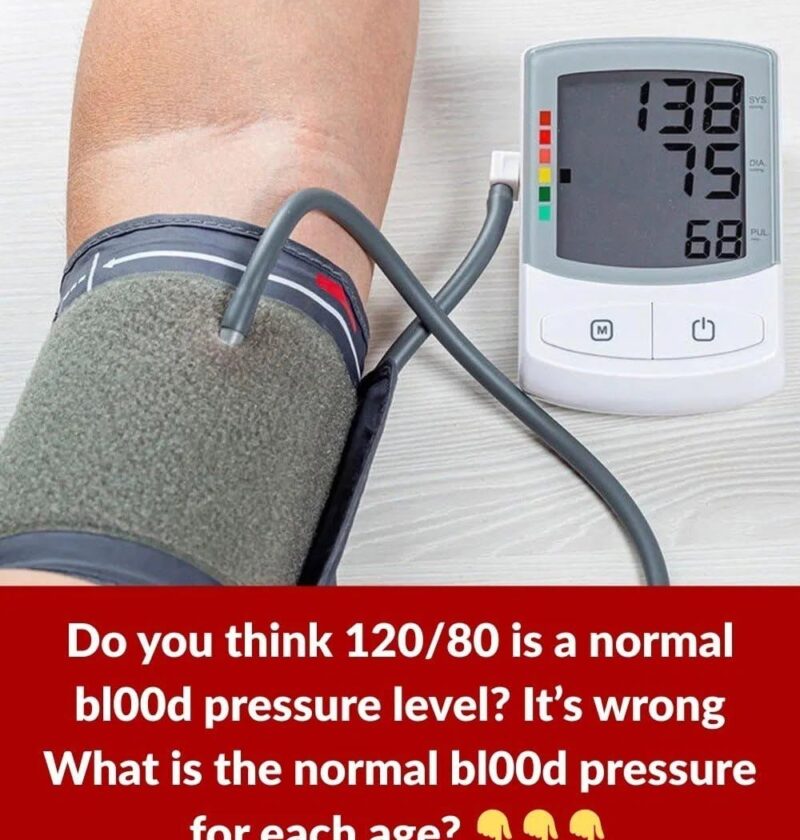
What Is the Normal Blood Pressure for Each Age?
There is no separate “normal” blood pressure for each age group. Current medical guidelines generally use the same target range for most adults, regardless of age, although healthcare providers may individualize treatment goals based on a person’s overall health and medical conditions.
Blood Pressure Categories for Adults
| Category | Systolic (Top Number) | Diastolic (Bottom Number) |
|---|---|---|
| Normal | Less than 120 | and less than 80 |
| Elevated | 120–129 | and less than 80 |
| High Blood Pressure (Stage 1) | 130–139 | or 80–89 |
| High Blood Pressure (Stage 2) | 140 or higher | or 90 or higher |
| Hypertensive Crisis | 180 or higher | and/or 120 or higher |
A diagnosis of high blood pressure is usually based on multiple readings taken on different days, not a single measurement.
What About Older Adults?
Blood pressure often increases with age because arteries become less flexible. However, higher blood pressure is not considered “normal” just because someone is older. Many healthy older adults still benefit from keeping their blood pressure well controlled, though treatment targets may be adjusted based on factors such as frailty, fall risk, or other medical conditions.
Tips for Accurate Blood Pressure Readings
- Sit quietly for 5 minutes before measuring.
- Keep your back supported and feet flat on the floor.
- Rest your arm at heart level.
- Avoid caffeine, smoking, or exercise for at least 30 minutes beforehand.
- Use a properly fitting cuff.
When to Seek Medical Care
Contact your healthcare provider if your blood pressure is consistently 130/80 mmHg or higher.
Seek emergency medical attention if your blood pressure is 180/120 mmHg or higher and you have symptoms such as: