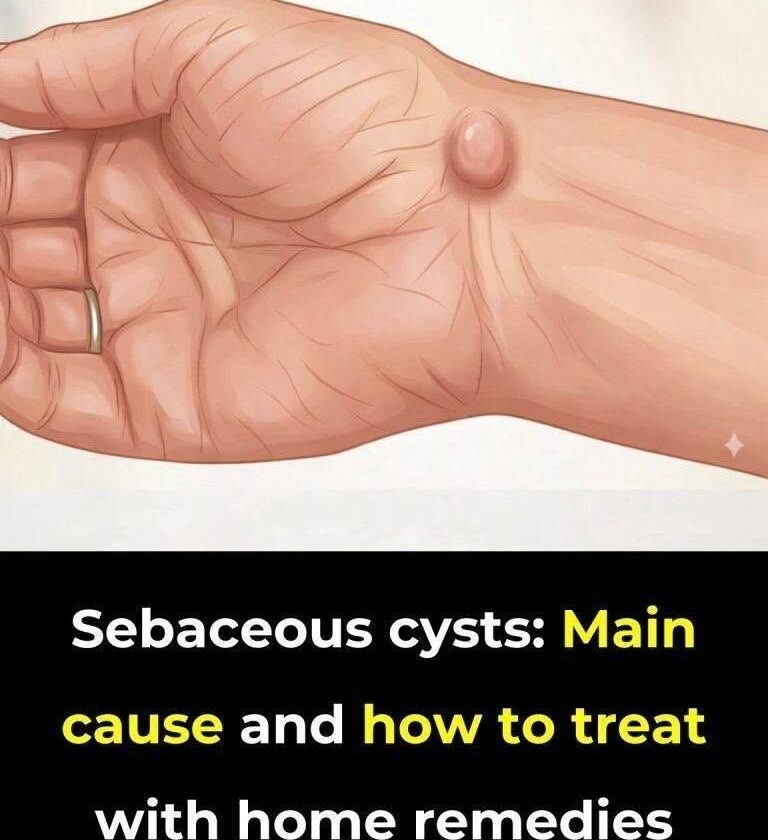
Sebaceous Cysts Explained: Main Causes and Safe Home Care
What many people call a “sebaceous cyst” is actually an epidermoid cyst. True sebaceous cysts are relatively uncommon; epidermoid cysts are much more common and contain keratin and dead skin cells rather than sebum (oil).
What does a sebaceous/epidermoid cyst look like?
It is usually a slow-growing, round lump underneath the skin. It may have a small dark opening in the center and is often painless. If it becomes inflamed or infected, it can become red, swollen, warm, tender, or painful. Sometimes a thick, foul-smelling material drains from it.
What causes these cysts?
Common causes include:
- Blocked hair follicles
- Skin cells becoming trapped beneath the surface
- Previous skin injury, scratches, or surgery
- Certain skin conditions, including acne
- In some cases, genetics or rare inherited conditions
They can occur on the face, neck, chest, back, scalp, arms, legs, and other areas.
Can you treat one at home?
If the lump has already been diagnosed as an uncomplicated epidermoid cyst and isn’t causing problems, you may not need to treat it at all.
For temporary comfort, you can:
🌡️ Use a warm compress
Place a clean, warm, moist cloth over the area for several minutes. This may help relieve discomfort and encourage natural drainage.
🧼 Keep the area clean
Gently wash the surrounding skin and avoid repeatedly touching or irritating the lump.
🚫 Don’t squeeze or puncture it
Trying to pop, pierce, or cut the cyst yourself can introduce bacteria, cause inflammation or scarring, and may allow the cyst to return.
Will a home remedy make the cyst disappear?
Not necessarily. A warm compress may help symptoms, but it doesn’t reliably remove the cyst’s capsule.
If the cyst repeatedly returns or is bothersome, a healthcare professional can remove it. Complete surgical removal of the cyst and its capsule is generally the most effective way to reduce recurrence. Simply draining the contents can relieve pressure but doesn’t necessarily eliminate the cyst