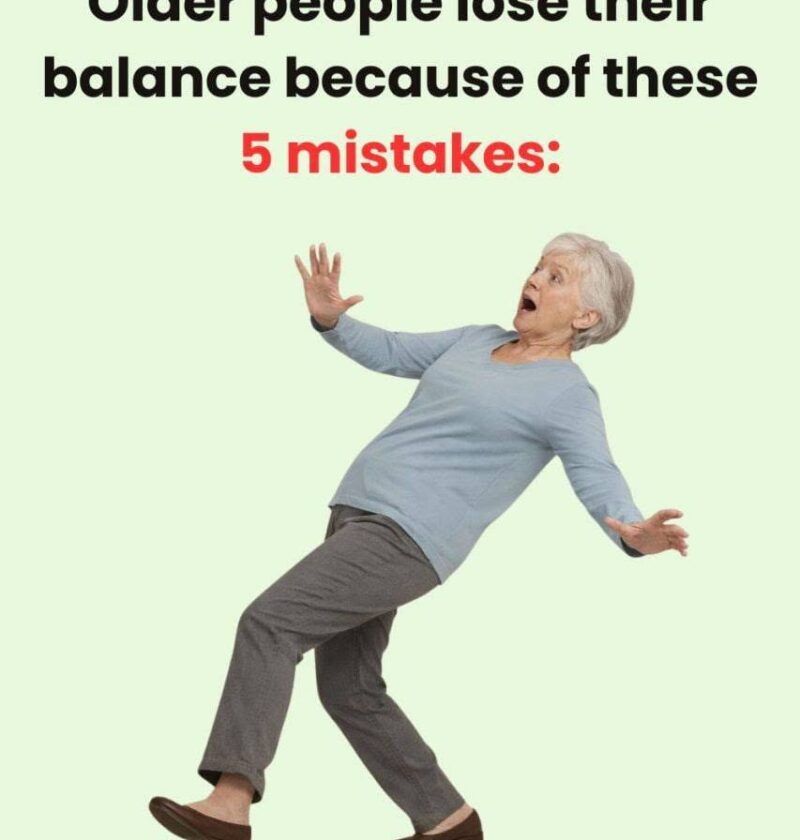
If you’re looking for the main mistakes that can increase balance and fall risk in older adults, these are some of the most important:
- Ignoring vision or hearing changes — Poor vision can make obstacles and changes in floor level harder to detect.
- Wearing unsafe footwear — Loose slippers, worn soles, or shoes without adequate support can increase slipping and instability.
- Rushing when standing up — Getting up quickly can sometimes cause lightheadedness, particularly with certain medications or low blood pressure.
- Keeping clutter on walking paths — Loose rugs, cords, furniture, and other obstacles can create trip hazards.
- Not exercising balance and strength — Muscle weakness and reduced balance can develop with inactivity.
- Taking medications without reviewing side effects — Some medicines can cause dizziness, drowsiness, or low blood pressure.
- Poor lighting at night — Getting up in the dark makes obstacles and changes in floor level harder to see.
- Ignoring repeated falls or near-falls — These can be an important warning that balance, strength, vision, medication, or another health issue needs attention.
- Using a cane or walker incorrectly — An improperly fitted or incorrectly used device can actually make walking less safe.
- Trying to do too much alone — Climbing stools, carrying heavy objects, or doing activities beyond one’s current balance and strength can increase the risk of falling.
What helps
Regular strength and balance exercises, appropriate footwear, good lighting, vision checks, medication reviews, and making the home safer can all reduce fall risk.
If someone develops sudden loss of balance, especially with weakness, facial drooping, speech difficulty, severe dizziness, or vision changes, treat it as a possible stroke and seek emergency medical care.