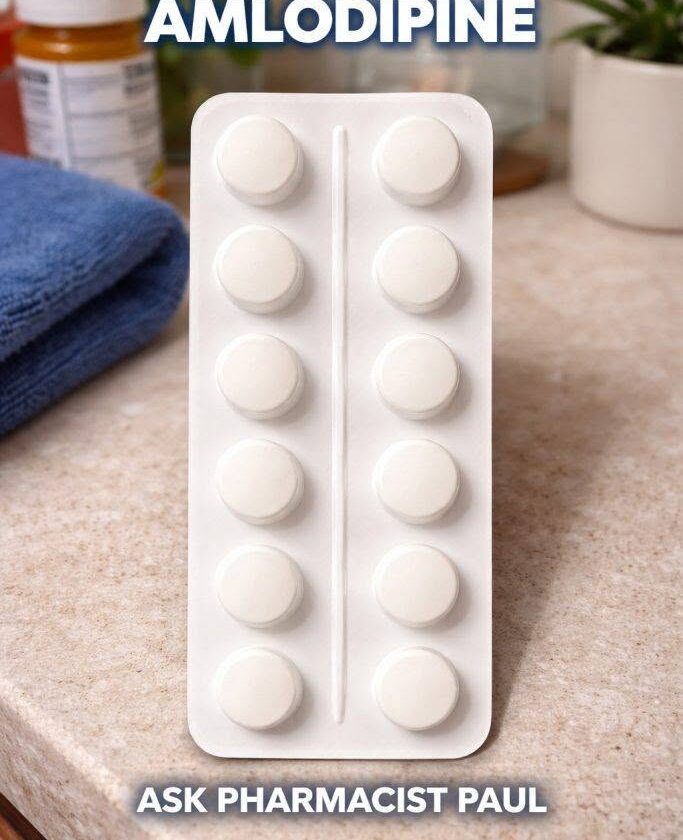
If you’re taking amlodipine, there are some everyday habits worth avoiding—not because the medicine requires a restrictive lifestyle, but because certain habits can worsen side effects or interfere with blood-pressure control. Amlodipine can commonly cause ankle/foot swelling, and its interaction profile also matters with some other medicines. (SPS – Specialist Pharmacy Service)
8 Habits to Stop While Taking Amlodipine
- Stop skipping doses
Take amlodipine exactly as prescribed. Don’t stop it suddenly or change the dose on your own. - Stop taking extra doses for a high reading
Amlodipine is not meant to be used as an occasional “rescue” tablet. If your readings remain high, speak with your clinician. - Don’t ignore swollen ankles
Ankle and foot swelling is a recognized side effect of amlodipine. Persistent or worsening swelling should be discussed with your healthcare professional. (SPS – Specialist Pharmacy Service) - Don’t sit or stand for very long periods
Staying upright for prolonged periods can make medication-related leg swelling worse. Gentle movement and elevating your legs when resting may help. (SPS – Specialist Pharmacy Service) - Don’t routinely eat excessive amounts of salty food
Too much sodium can contribute to fluid retention and make blood-pressure control more difficult. - Don’t assume every new medicine is safe with amlodipine
Tell your doctor or pharmacist about all medicines, supplements and herbal products you’re taking. Some medicines can increase amlodipine levels. (FDA Access Data) - Don’t overlook your cholesterol medicine
If you take simvastatin, the combination with amlodipine requires particular attention: FDA labeling limits simvastatin to 20 mg daily when used with amlodipine. (FDA Access Data) - Don’t stop amlodipine because you feel better
Feeling well usually means your treatment may be working—not that your high blood pressure has disappeared. Discuss any change with your prescriber first.
One important correction: Unlike some other calcium-channel blockers, grapefruit juice is not known to significantly affect amlodipine levels, so routinely telling everyone on amlodipine to avoid grapefruit would be misleading. (FDA Access Data)
If you develop severe or sudden swelling, chest pain, fainting, or difficulty breathing, seek urgent medical care rather than simply changing your medication yourself.