🍓 8 Fruits That Support Healthy Circulation and Your Body’s Normal Clotting Balance
There is no fruit that can dissolve a blood clot or safely replace blood-thinning medication. However, eating a variety of whole fruits is part of a heart-healthy diet that supports overall cardiovascular health. (professional.heart.org)
Good choices include:
- Berries 🫐 — blueberries, strawberries, raspberries, and blackberries provide fiber and plant compounds.
- Oranges 🍊 — provide vitamin C, potassium, and fiber.
- Apples 🍎 — a convenient source of fiber, especially with the skin.
- Pears 🍐 — naturally rich in fiber.
- Grapes 🍇 — contain plant polyphenols and are best enjoyed whole.
- Avocado 🥑 — botanically a fruit and a source of fiber and unsaturated fats.
- Kiwi 🥝 — provides vitamin C and other nutrients, although it is relatively high in vitamin K.
- Pomegranate ❤️ — contains polyphenols, but it can interact with some medications, including warfarin. (www.heart.org)
⚠️ If you take a blood thinner
If you’re taking warfarin, consistency is particularly important. Sudden major changes in foods containing vitamin K can affect your INR. Some healthcare services also advise avoiding grapefruit, cranberry, and pomegranate products with warfarin because of potential interactions. (Cambridge University Hospitals)
Other anticoagulants, such as apixaban, rivaroxaban, edoxaban, and dabigatran, generally have fewer food restrictions, but medication-specific advice still matters. (nhs.uk)
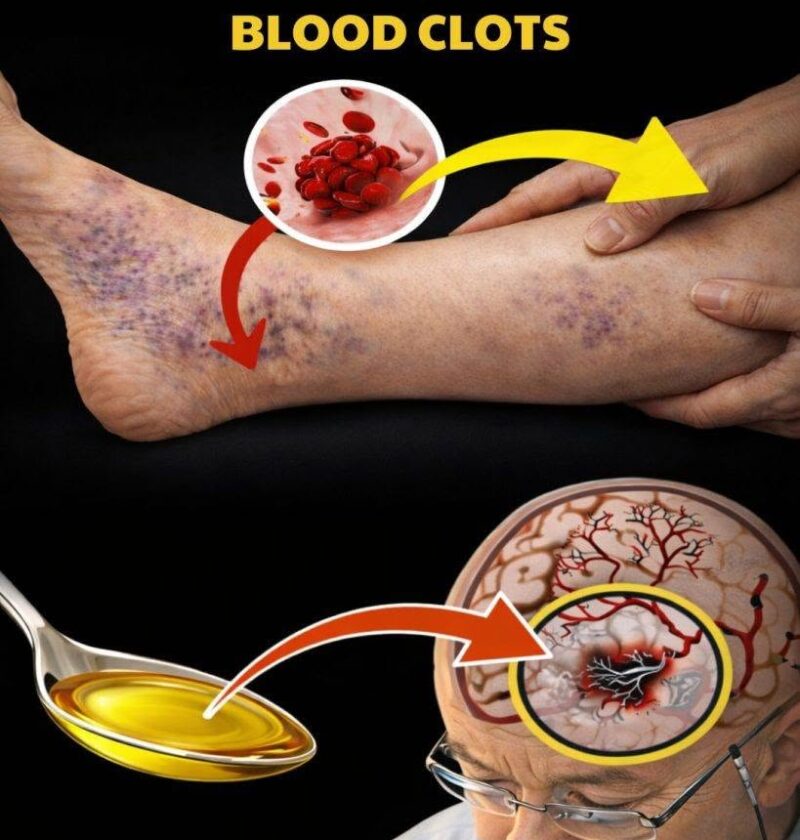
Most important: If you think you have a blood clot—such as sudden one-sided leg swelling and pain, chest pain, or unexplained shortness of breath—don’t try to treat it with food. Seek urgent medical care. Anticoagulant medicines are the primary treatment for confirmed acute pulmonary embolism. (newsroom.heart.org)