Here’s a detailed version that keeps the curiosity-driven style but avoids claiming that seeing an insect automatically means something dangerous is happening. Different insects can indicate food sources, moisture, entry points, or—if there are many—an infestation. (University of Maryland Extension)
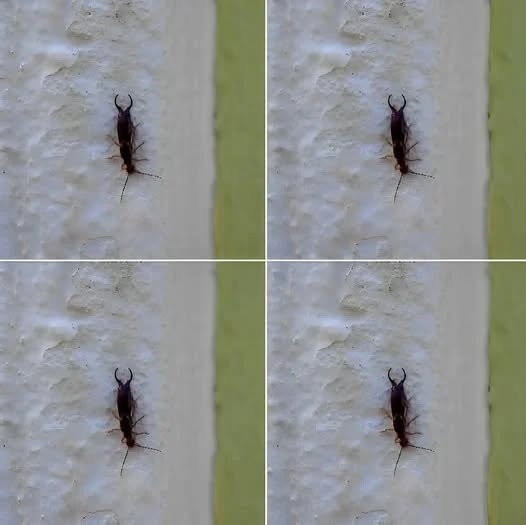
⚠️ Warning! Found This Insect in Your Home? It Could Be a Sign You Need to Check Something
Finding a strange insect indoors can be more than an unpleasant surprise. Depending on what you found—and where you found it—it may point to excess moisture, food sources, cracks or openings, or an underlying pest problem.
But don’t panic: seeing one insect does not automatically mean your home is infested. The first step is identifying what it actually is. (University of Maryland Extension)
🔎 What Could It Be Telling You?
1. There may be excess moisture 💧
Some insects thrive in damp areas. If you repeatedly find bugs around bathrooms, sinks, basements, or potted plants, check for leaks, condensation, poor ventilation, or consistently wet soil. Reducing moisture can help discourage these pests. (University of Maryland Extension)
2. There could be an accessible food source 🍞
Ants, pantry moths, cockroaches, and other household pests may be attracted by crumbs, food residue, garbage, pet food, or improperly stored dry goods. Keep food sealed and clean spills promptly.
3. The insect may be getting inside through a small opening 🚪
Gaps around doors, windows, pipes, vents, and other entry points can provide insects with easy access. Sealing cracks and improving door and window seals can reduce opportunities for pests to enter. (University of Maryland Extension)
4. You may have a hidden infestation 🐜
One insect isn’t necessarily a problem—but repeatedly seeing the same type, especially in increasing numbers, deserves attention. Look for droppings, damaged food packaging, shed skins, nests, or insects appearing regularly at night.
5. It could simply be a harmless visitor 🕷️
Not every insect found indoors is a pest. Some spiders, for example, are predators that feed on other insects and can actually be beneficial. Correct identification matters before reaching for pesticides. (University of Maryland Extension)
🚨 What Should You Do?
Don’t immediately spray an unidentified insect. Take a clear photo and identify it first. Then inspect the area where you found it for moisture, food residue, cracks, and other signs of activity.
If you continue finding large numbers of insects or notice signs of structural damage, consider getting the problem professionally assessed.
👉 Found a bug in your home? Don’t ignore it—and don’t panic. Identify it first, then find out why it’s there.