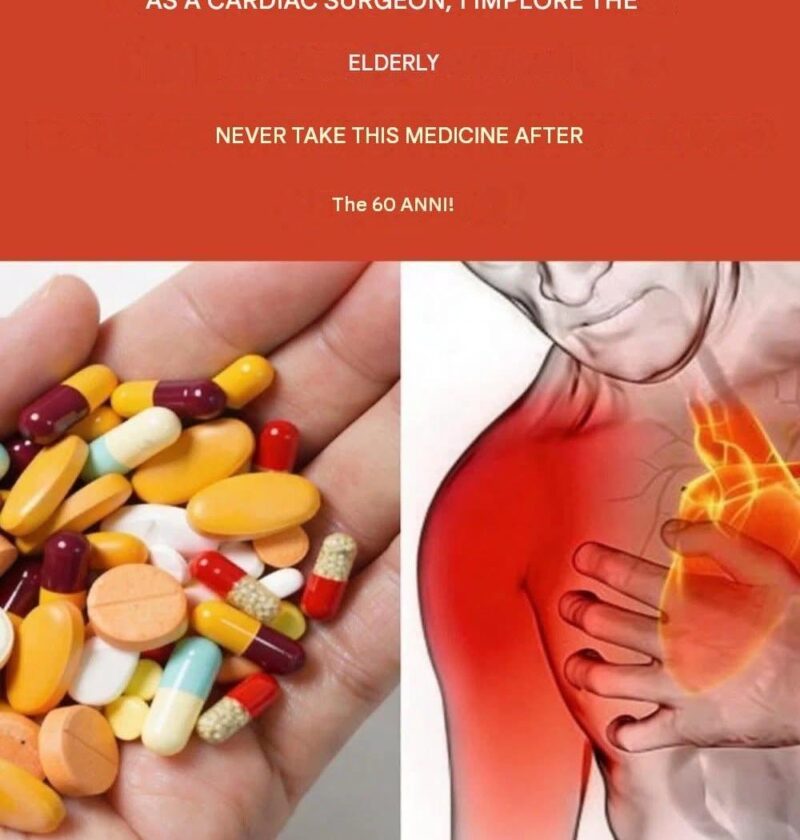
The headline “Heart Surgeon’s Warning: The 7 Most Common Pills That Silently Weaken Seniors’ Hearts” is misleading. There isn’t a medically recognized list of seven ordinary pills that universally “weaken the heart.” However, some medications can worsen heart failure, cause fluid retention, lower blood pressure too much, slow the heart, or increase cardiovascular risk, particularly in older adults.
💊 Medicines that deserve particular attention
1. NSAID painkillers
Ibuprofen, naproxen and diclofenac can increase the risk of heart attack, stroke and heart failure, especially with higher doses or prolonged use. They can also interfere with some blood-pressure and heart-failure treatments.
2. Certain calcium-channel blockers
Some, particularly verapamil and diltiazem, can slow the heart and may be inappropriate in certain people with reduced heart-pumping function. This depends heavily on the individual’s cardiac condition.
3. Thiazolidinediones (TZDs)
Diabetes medicines such as pioglitazone can cause fluid retention and may worsen or precipitate heart failure in susceptible people.
4. Some corticosteroids
Long-term systemic steroids such as prednisone can contribute to fluid retention, elevated blood pressure and metabolic problems, potentially complicating cardiovascular disease.
5. Certain antiarrhythmic medicines
Drugs such as amiodarone can be extremely useful for selected rhythm disorders but require monitoring because of potentially serious effects involving the heart, lungs, liver, thyroid and other organs. The 2023 Beers Criteria specifically highlights medication-related risks in older adults.
6. Some antidepressants and other medicines that affect blood pressure or heart rhythm
Certain medications can cause orthostatic hypotension (a blood-pressure drop on standing) or affect cardiac electrical conduction. The risk depends on the particular drug, dose and other medicines being taken.
7. Decongestants containing stimulants
Products containing pseudoephedrine or similar decongestants can raise blood pressure and heart rate and may be problematic for people with cardiovascular disease.
❤️ But here’s the important part
Many medications that sound “dangerous for the heart” are actually protective when appropriately prescribed. For example, beta-blockers, ACE inhibitors/ARBs, mineralocorticoid-receptor antagonists and SGLT2 inhibitors are important components of evidence-based heart-failure treatment.
Older adults are particularly vulnerable to medication problems because they are more likely to take multiple medicines and may have reduced kidney function or other illnesses. The American Geriatrics Society recommends regular medication review rather than automatically avoiding every drug on a “dangerous pills” list.
✅ Safest way to protect your heart
- Have all prescription drugs, OTC medicines and supplements reviewed periodically.
- Don’t routinely use NSAID painkillers without checking with your clinician if you have heart disease, high blood pressure or kidney problems.
- Ask whether every medication is still necessary and whether the dose remains appropriate.
- Never stop a heart or blood-pressure medication abruptly without medical advice.
- Monitor blood pressure, pulse, kidney function and electrolytes when your medicines require