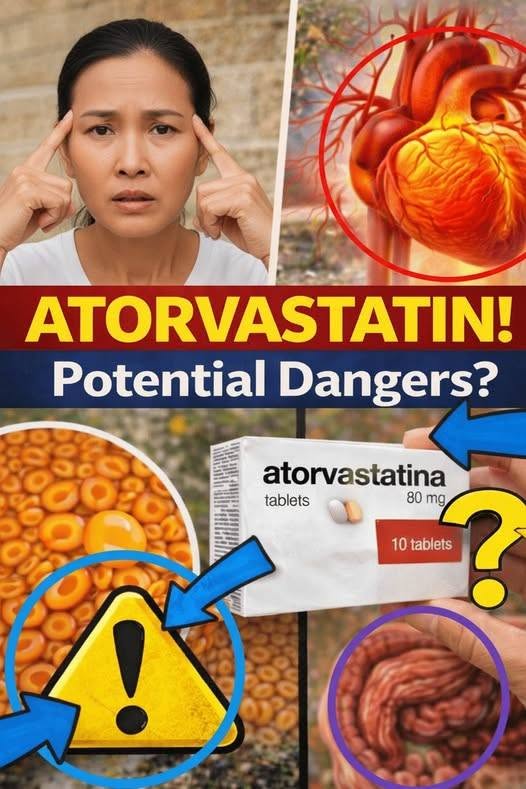
Atorvastatin: “What’s the Real Deal with Side Effects?” is a common style of headline that can make statins sound more frightening than the evidence supports. Atorvastatin is one of the most widely used cholesterol-lowering medicines and has strong evidence for reducing the risk of heart attacks and strokes in people who benefit from treatment.
That said, side effects can occur. Here are 15 important things to know:
1. Muscle aches or soreness
- Some people notice muscle pain, stiffness, or weakness.
- Many cases are mild, but new or persistent symptoms should be discussed with a healthcare professional.
2. Serious muscle injury is rare
- A rare condition called rhabdomyolysis involves severe muscle breakdown.
- Seek medical advice urgently for severe muscle pain, marked weakness, or dark-coloured urine.
3. Mild digestive symptoms
- Some people experience nausea, diarrhoea, constipation, or stomach discomfort.
4. Headache
- Headaches can occur, especially after starting treatment, though they are often temporary.
5. Small increase in blood sugar
- Statins can slightly raise blood glucose in some people.
- For most patients, the cardiovascular benefits outweigh this small risk.
6. Liver enzyme changes
- Atorvastatin can cause increases in liver enzymes.
- Serious liver injury is uncommon, but doctors may check liver function if there are concerns.
7. Tiredness or low energy
- Some people report fatigue, although it can be difficult to separate from other health factors.
8. Sleep or mood changes
- A small number of people report sleep disturbance or mood symptoms; these should be discussed if they occur.
9. Drug interactions matter
Some medicines can increase the chance of side effects, including certain:
- Antibiotics
- Antifungal medicines
- Heart medicines
- Other cholesterol treatments
Always tell your healthcare professional about all medicines and supplements you take.
10. Grapefruit can be relevant
- Large amounts of grapefruit or grapefruit juice may affect how some statins are processed.
- The interaction is less significant with atorvastatin than with some other statins, but regular large consumption is worth discussing with a pharmacist.
11. Alcohol and liver health
- Heavy alcohol intake can increase stress on the liver.
- Moderate or occasional alcohol use is not automatically a problem, but individual advice may vary.
12. It does not “destroy your muscles”
- Muscle problems are possible, but severe muscle damage is uncommon.
- Many people take atorvastatin for years without serious problems.
13. Do not stop suddenly without advice
- Stopping can allow cholesterol levels to rise again and may increase cardiovascular risk, depending on why you were prescribed it.
14. Lifestyle still matters
Atorvastatin works best alongside:
- A balanced diet
- Regular physical activity
- Not smoking
- Managing blood pressure and weight where appropriate
15. The benefits often outweigh the risks
For people at higher risk of cardiovascular disease, atorvastatin can significantly reduce the chance of serious events such as heart attack and stroke.
Contact a healthcare professional if you notice:
- Severe or unexplained muscle pain or weakness
- Dark urine
- Yellowing of the skin or eyes
- Severe abdominal pain
- Symptoms that began after a dose change or new medication
Bottom line: Atorvastatin is not risk-free, but many alarming online claims overstate the dangers. The right question is usually not “Is atorvastatin dangerous?” but “Do the benefits outweigh the risks for my individual health situation?”