🏃 5 Exercises That Can Be Risky for Older Adults
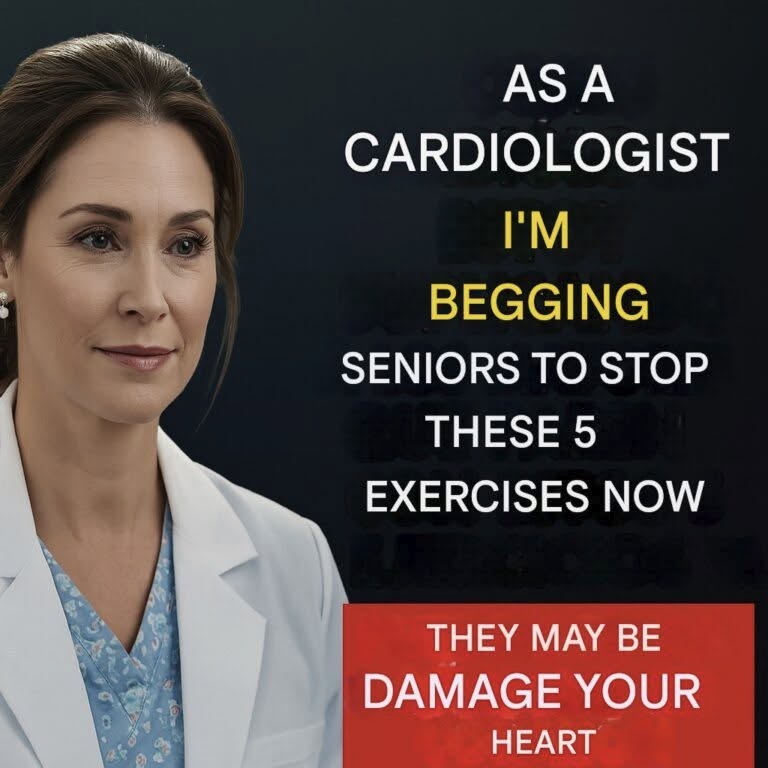
The headline needs a little correction: exercise itself is not something older adults should avoid. Regular physical activity supports strength, balance, mobility and independence. The issue is that certain exercises can become risky when they’re performed with poor technique, excessive intensity, or without considering a person’s medical conditions. (National Institute on Aging)
1. 🏃 High-impact jumping exercises
Repeated jumping, jump squats or intense plyometrics can put substantial stress on joints and bones and increase fall risk for someone who isn’t conditioned for them.
Safer alternative: brisk walking, controlled strength exercises, or low-impact stepping.
2. 🏋️ Very heavy weight lifting
Heavy resistance isn’t automatically dangerous, but lifting more than you can control can lead to injury—particularly if you have joint problems, osteoporosis, cardiovascular disease or poor technique.
Safer approach: start with manageable resistance and increase gradually. Resistance training is actually beneficial for older adults when appropriately prescribed. (National Institute on Aging)
3. 🧘 Difficult balance exercises without support
Standing on one leg or doing advanced balance movements near an unsafe surface can result in a fall.
Safer approach: practice balance exercises near a sturdy countertop, rail or chair, particularly if you’re unsteady. Balance training is an important part of fall prevention. (CDC)
4. 🤸 Deep or forceful stretching
Aggressively forcing a joint into a deep stretch can cause muscle, tendon or joint injury.
Safer approach: use gentle, controlled movements and stop if you experience sharp pain.
5. 🏋️ Exercises performed through pain
Trying to “push through” sharp or unusual pain isn’t a sign of a good workout. Continuing an exercise that causes significant pain can turn a minor problem into an injury.
Mild muscle soreness after strengthening exercise can be normal, but persistent or severe pain deserves attention. (CDC)
⭐ What should older adults do instead?
A good routine usually combines aerobic activity, muscle strengthening and balance exercises. The National Institute on Aging recommends building activity gradually, and people with chronic conditions should discuss an appropriate exercise plan with their healthcare professional. (National Institute on Aging)
Important: If exercise causes chest pain, fainting, severe shortness of breath, or sudden neurological symptoms, stop and seek medical attention.
Bottom line: Don’t fear exercise because of age. The goal is to choose exercises appropriate for your fitness, balance, joints and medical conditions—and progress gradually.