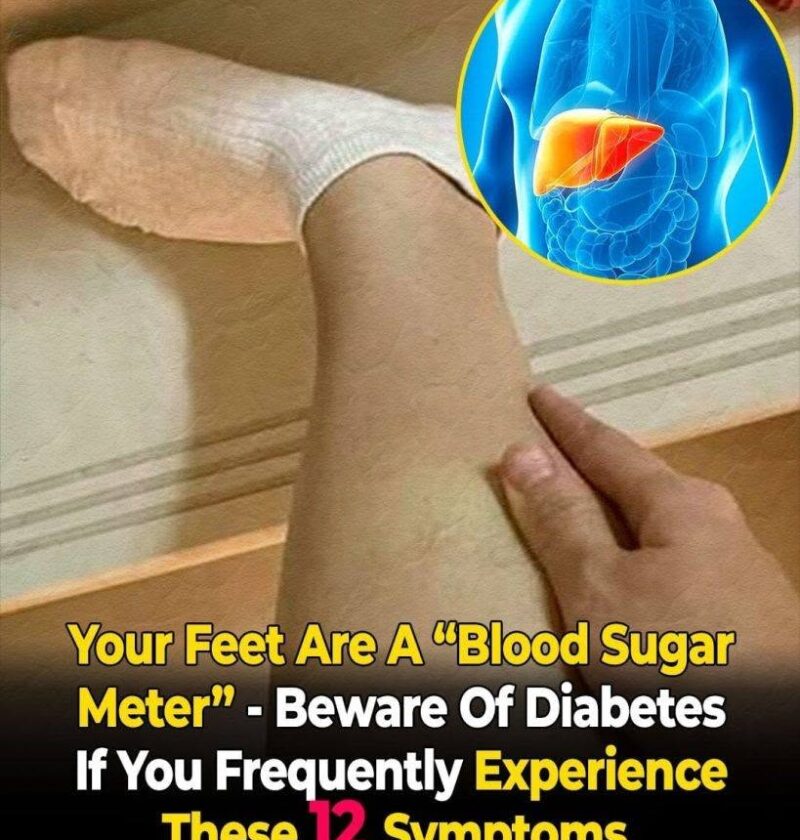
🦶 “Your Feet Are a Blood Sugar Meter” — Not Quite
Your feet cannot measure your blood sugar, and foot symptoms alone cannot diagnose diabetes. However, diabetes can damage nerves and blood vessels in the feet, so certain changes are worth paying attention to. (NIDDK)
12 foot symptoms that can occur with diabetes
- Numbness in the feet or toes
- Tingling or “pins and needles”
- Burning sensations
- Sharp, stabbing or shooting pain
- Unusual sensitivity to touch
- Reduced ability to feel heat or cold
- Loss of protective sensation—not noticing an injury
- Foot weakness or difficulty walking
- Balance or coordination problems
- Dry or cracked skin
- Cuts, blisters or sores that don’t heal normally
- Redness, swelling or signs of infection
Diabetic peripheral neuropathy commonly affects the feet first and can cause numbness, tingling, burning, pain and loss of sensation. Some people have few or no symptoms despite having nerve damage. (NIDDK)
⚠️ Don’t wait on a foot wound
If you have diabetes and notice a new ulcer, infected wound, significant swelling, redness, discoloration, or a foot that becomes unusually cold, seek medical advice promptly. Reduced sensation and poor blood flow can allow seemingly minor injuries to become serious. (NIDDK)
🩸 How do you actually know if you have diabetes?
The reliable way is blood-glucose testing, such as an A1C or fasting glucose test—not examining your feet.
If you already have diabetes, the CDC recommends checking your feet every day for cuts, redness, swelling, sores, blisters and other changes. (stacks.cdc.gov)
Bottom line: Your feet aren’t a “blood sugar meter,” but persistent numbness, burning, tingling or unexplained foot problems can be an important reason to get checked for diabetes and other causes of peripheral neuropathy.