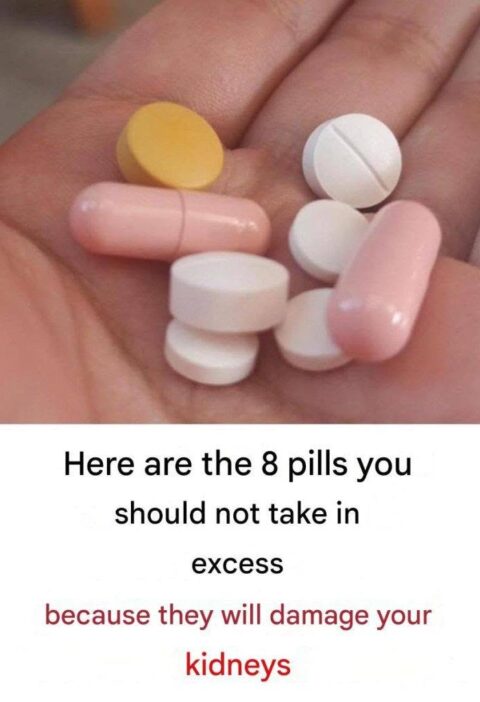
8 Types of Pills That Can Harm the Kidneys—Especially in Certain Situations
The headline “eight pills you shouldn’t take” is misleading. Many medications on this list can be completely appropriate when prescribed and monitored correctly. The risk depends on the drug, dose, kidney function, hydration, and other medicines you’re taking.
1. NSAID painkillers
Examples include ibuprofen, naproxen, diclofenac, and celecoxib. These can reduce blood flow to the kidneys and increase the risk of acute kidney injury, particularly at high doses or with long-term use.
2. Certain antibiotics
Some antibiotics can directly affect the kidneys or accumulate when kidney function is reduced. That doesn’t mean you should avoid antibiotics when they’re medically necessary—the dose may simply need adjustment.
3. Certain antivirals
Some antiviral medicines are eliminated through the kidneys and require dose adjustment in people with reduced kidney function. A few can also cause kidney injury in susceptible patients.
4. Diuretics (“water pills”)
Medicines such as furosemide can contribute to kidney problems if they cause excessive fluid loss, particularly during dehydration or acute illness. They’re also important treatments for many people, so don’t stop them without medical advice.
5. ACE inhibitors and ARBs
Examples include lisinopril, ramipril, losartan, and valsartan. These can temporarily reduce kidney filtration, but they’re often kidney-protective over the long term, especially in people with hypertension, diabetes, or protein in the urine.
6. Lithium
Long-term lithium treatment can affect kidney function, which is why people taking it generally need periodic kidney and blood-level monitoring.
7. Some immunosuppressant medicines
Calcineurin inhibitors, such as tacrolimus and cyclosporine, can affect the kidneys. They’re nevertheless essential medications for many transplant recipients and people with certain autoimmune diseases.
8. Some chemotherapy medicines
Certain cancer treatments can be nephrotoxic. Oncologists monitor kidney function and may adjust treatment to reduce the risk.
🚨 The “Triple Whammy” Deserves Special Attention
One particularly concerning combination is an ACE inhibitor or ARB + a diuretic + an NSAID. The combination can substantially increase the risk of acute kidney injury, especially during dehydration.
Don’t Stop Prescribed Medication on Your Own
This is especially important with blood-pressure medicines, antibiotics, heart medicines, and cancer treatments. A medication that can potentially affect the kidneys may still provide benefits that greatly outweigh its risks.