Navigating Vitamin Habits: Understanding Stroke Risk for Older Adults and Brain Health
As we get older, it is natural to look for vitamins and supplements that might protect memory, energy, and overall brain health. However, taking more vitamins does not automatically mean better health. Some supplements can interact with medicines or cause problems when taken in excessive amounts.
1. Focus on a Healthy Diet
A balanced diet is usually a better foundation than relying on supplements. Include vegetables, fruits, whole grains, beans, fish, and other nutritious foods. Limiting excess salt, processed foods, and added sugars can also support cardiovascular health.
2. Know Your Blood Pressure
High blood pressure is one of the most important modifiable risk factors for stroke. Checking your blood pressure regularly and taking prescribed medication correctly can help reduce risk.
3. Be Careful With Supplements
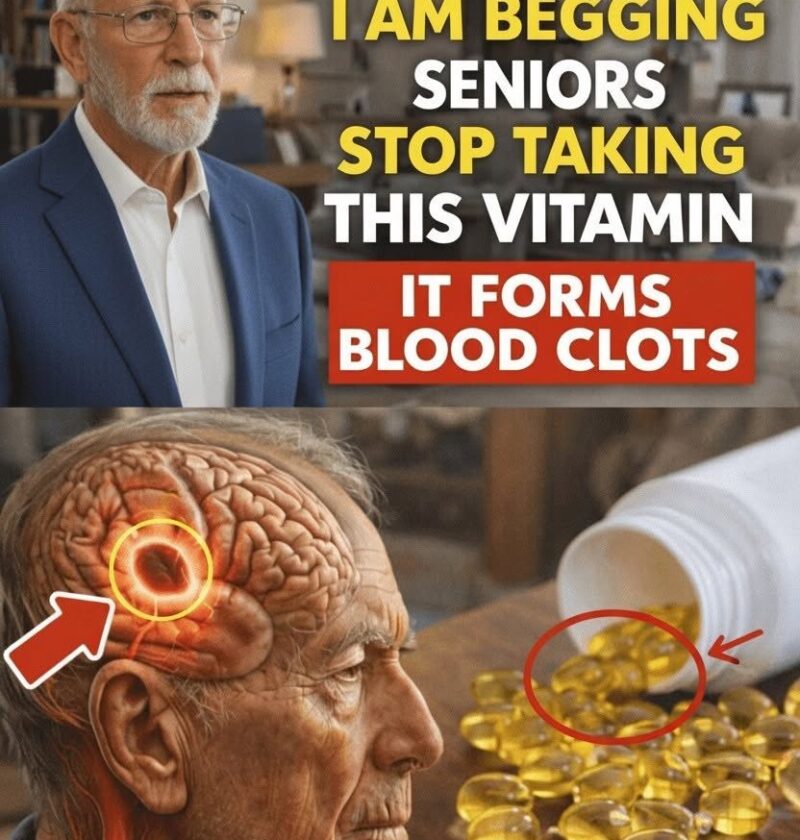
Some vitamins are useful when a person has a genuine deficiency, but high doses can be harmful. Vitamin E, vitamin A, niacin, and certain herbal supplements can cause problems when taken inappropriately or may interact with medications.
4. Pay Attention to Vitamin B12
Vitamin B12 is important for nerves and blood cells. Older adults can sometimes have difficulty absorbing enough B12. If you have symptoms such as unusual weakness, numbness, or balance problems, ask your healthcare professional whether testing is appropriate.
5. Don’t Stop Prescribed Medicines
Vitamins and supplements should not replace medicines prescribed for blood pressure, cholesterol, diabetes, heart disease, or other conditions. If you want to add a supplement, discuss it with your doctor or pharmacist first.
6. Protect Your Brain in Everyday Life
Brain health is closely connected with overall health. Regular physical activity, adequate sleep, social activity, maintaining a healthy weight, and managing conditions such as high blood pressure and diabetes can all be important.
7. Know the Warning Signs of Stroke
A stroke requires immediate medical attention. Sudden facial drooping, weakness or numbness—especially on one side—speech difficulty, sudden vision problems, severe dizziness, or difficulty walking can be warning signs.
If these symptoms occur, seek emergency medical help immediately rather than waiting to see whether they improve.