💊 12 Amlodipine Side Effects You Should Know About
Amlodipine is a calcium-channel blocker commonly prescribed for high blood pressure and certain types of angina. Most people tolerate it well, but side effects can occur. (MedlinePlus)
12 possible side effects
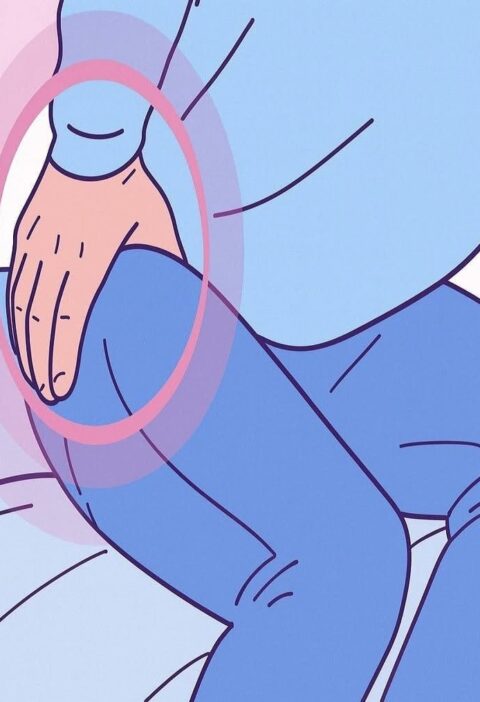
- 🦶 Swelling of the ankles, feet, or lower legs — the most characteristic side effect and often dose-related.
- 🌀 Dizziness or lightheadedness
- 🤕 Headache
- 😴 Tiredness or drowsiness
- 🔥 Flushing or feeling unusually warm
- ❤️ Palpitations or a rapid/pounding heartbeat
- 🤢 Nausea
- 🤕 Abdominal discomfort or stomach pain
- 💪 Muscle stiffness or tremors
- 📉 Low blood pressure, which can sometimes cause weakness or fainting.
- 🩸 Worsening chest pain—uncommon, but particularly important after starting treatment or increasing the dose in people with severe coronary artery disease.
- ⚠️ Fainting or an irregular heartbeat—these are uncommon but should be evaluated promptly. (MedlinePlus)
🚨 Which symptoms shouldn’t be ignored?
Seek urgent medical attention for new or worsening chest pain, fainting, a rapid or irregular heartbeat, severe dizziness, or signs of a serious allergic reaction such as swelling of the face, lips, tongue, or throat or difficulty breathing. (MedlinePlus)
❗ Don’t stop amlodipine on your own
Even if you suspect the medicine is causing ankle swelling or another side effect, don’t abruptly stop it without speaking with your prescriber. Amlodipine helps control blood pressure and angina, and stopping it without a replacement can leave these conditions untreated. (MedlinePlus)
Bottom line: Ankle swelling, dizziness, headache, flushing, fatigue, nausea, and abdominal discomfort are recognized effects. The more concerning symptoms are fainting, significant heartbeat changes, or new/worsening chest pain. A healthcare professional can determine whether a symptom is actually caused by amlodipine and whether the treatment needs adjusting.