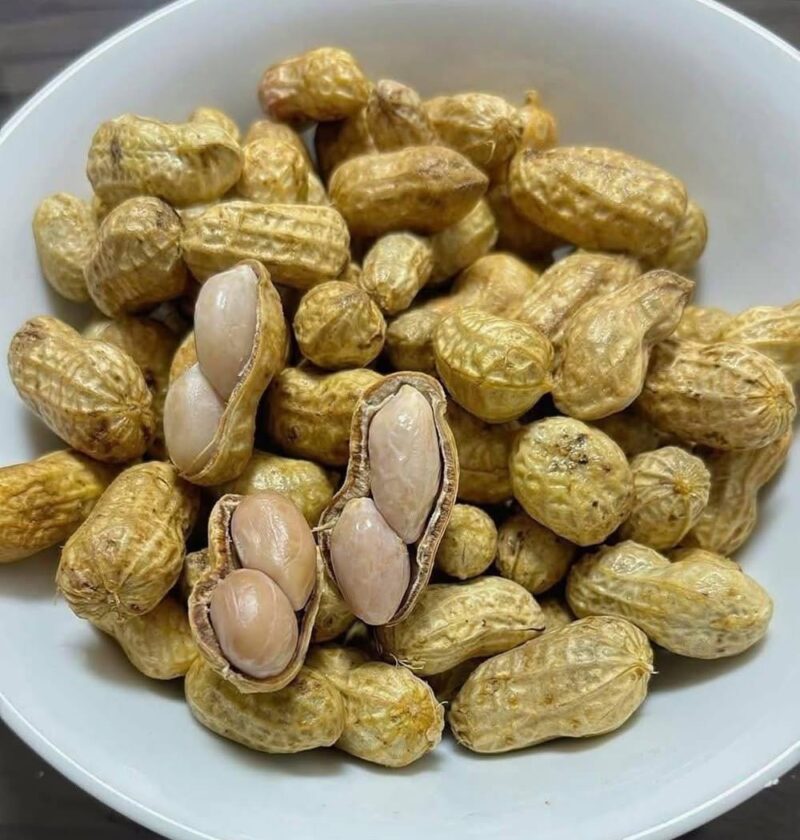
🥜 “According to Doctors, Eating Peanuts May Lead To…” — What’s the Truth?
This headline can be misleading. For most people, peanuts are a nutritious food, providing protein, fiber, unsaturated fats, vitamins, and minerals. Research generally associates regular nut—including peanut—consumption with favorable cardiovascular outcomes. (PubMed)
However, peanuts can cause problems in certain situations:
⚠️ 1. Allergic reactions
Peanut allergy can cause hives, swelling, vomiting, breathing difficulty, and potentially life-threatening anaphylaxis. Anyone with a known peanut allergy should avoid peanuts and follow their prescribed allergy plan. (National Institutes of Health)
⚠️ 2. Extra calories and weight gain
Peanuts are calorie-dense. Large portions can add substantial calories, particularly when peanuts are eaten in addition to rather than instead of other foods. Some clinical research has found modest weight increases with higher peanut intake in certain groups. (PubMed)
⚠️ 3. Aflatoxin exposure from contaminated peanuts
Poorly stored peanuts can become contaminated with aflatoxins, toxins produced by certain molds. Long-term exposure to significant amounts can increase the risk of liver cancer. Commercial food systems monitor and regulate aflatoxin levels, but moldy, damaged, or improperly stored peanuts should be discarded. (U.S. Food and Drug Administration)
❤️ But peanuts aren’t inherently “bad”
In fact, studies have found that peanut consumption can have neutral or favorable effects on several cardiovascular risk factors, including cholesterol and triglycerides. (PubMed Central (PMC))
Bottom line: For someone without a peanut allergy, a reasonable portion of plain or minimally salted peanuts can be part of a healthy diet. The biggest concerns are allergy, excessive portions, and contaminated or poorly stored peanuts—not peanuts themselves.