and Brain Health
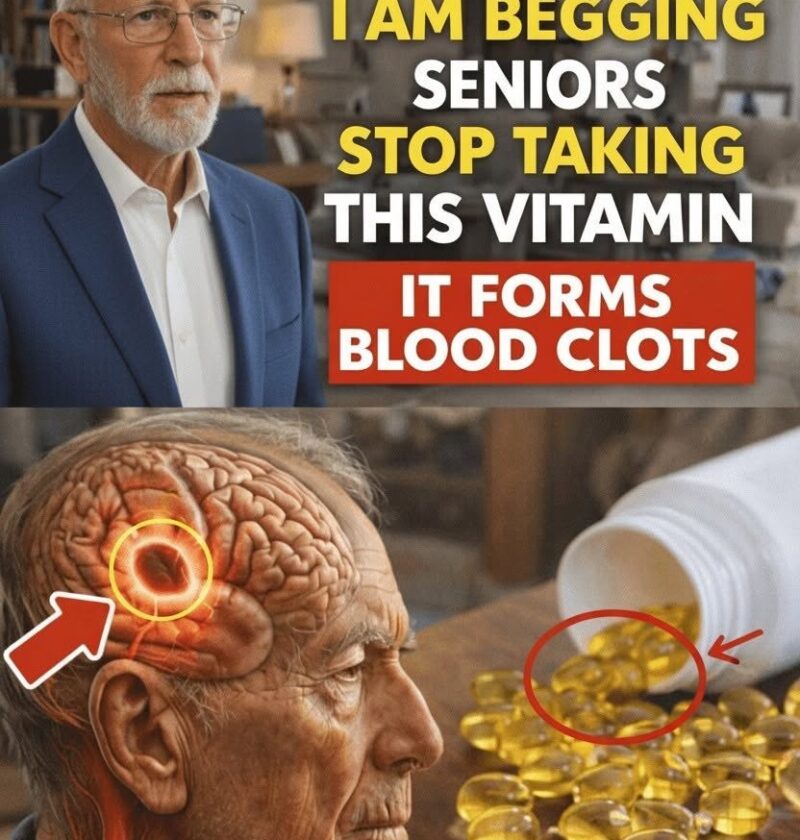
Vitamins are important for good health, but more vitamins do not necessarily mean a healthier brain or lower stroke risk. For older adults, the safest approach is to correct genuine deficiencies rather than routinely taking high-dose supplements.
🧠 Can vitamins prevent a stroke?
There is no strong evidence that routine vitamin supplements prevent strokes in otherwise well-nourished adults. Stroke-prevention guidelines instead emphasize controlling blood pressure, cholesterol, diabetes, smoking, physical inactivity and diet.
⚠️ Be careful with high-dose supplements
- Vitamin E: High-dose supplementation has not been shown to prevent cardiovascular disease.
- Beta-carotene: Supplements are not recommended for cardiovascular prevention and can be harmful in certain groups, particularly smokers and people exposed to asbestos.
- Calcium: Don’t take large doses simply because you believe they’ll protect your brain or heart. Whether supplementation is appropriate depends on your diet, bone health and medical situation.
- Vitamin D: It can be useful when someone is deficient, but taking excessive amounts isn’t a proven stroke-prevention strategy.
- Vitamin K: It can interact with warfarin, so people taking warfarin should keep vitamin-K intake consistent and discuss supplements with their clinician.
🥦 What actually supports brain and blood-vessel health?
A Mediterranean-style eating pattern—rich in vegetables, fruits, whole grains, legumes, nuts, fish and healthier unsaturated fats—is recommended for reducing cardiovascular and stroke risk.
Just as important are:
- Keeping blood pressure controlled
- Managing cholesterol and diabetes
- Not smoking
- Staying physically active
- Taking prescribed medications correctly
- Maintaining a healthy, varied diet