5 Symptoms of a “Mini-Stroke” in Seniors That Shouldn’t Be Ignored
A “mini-stroke” is usually called a transient ischemic attack (TIA). It causes stroke-like symptoms that may disappear after a few minutes or hours. Even if the symptoms completely go away, a TIA requires urgent medical evaluation. (www.stroke.org)
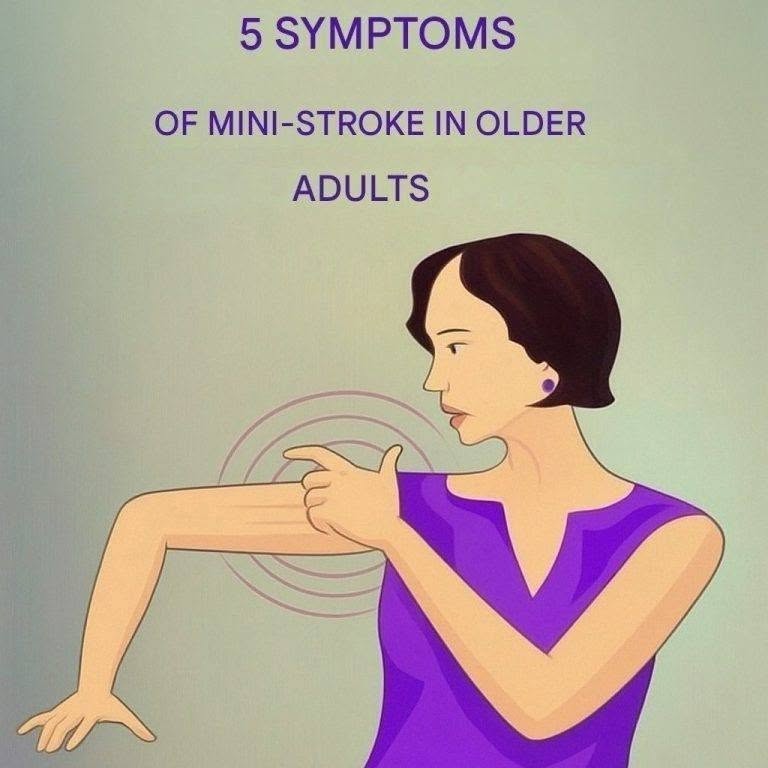
🚨 5 warning signs
- Sudden weakness or numbness
Especially in the face, arm or leg on one side of the body. - Sudden speech problems
Slurred speech, difficulty finding words, or trouble understanding what someone is saying. - Sudden vision changes
Blurred or double vision, or sudden loss of vision in one or both eyes. - Sudden dizziness or loss of balance
New difficulty walking, coordination problems or unexplained dizziness. - Sudden severe headache
A severe headache that appears without an obvious cause can be a stroke warning sign. (www.stroke.org)
Remember B.E. F.A.S.T.
B — Balance loss
E — Eye/vision changes
F — Face drooping
A — Arm weakness
S — Speech difficulty
T — Time to call emergency services (www.stroke.org)
⏰ Don’t wait for symptoms to disappear
You cannot reliably tell at home whether an episode is a TIA or an actual stroke. A TIA is a warning that a potentially disabling stroke may follow, so emergency assessment is important even when the person feels normal again. (www.stroke.org)
If these symptoms are happening now, call your local emergency service immediately and note the time they began.
Bottom line: In an older adult, sudden facial drooping, one-sided weakness, speech difficulty, vision changes or loss of balance should be treated as a stroke emergency—not simply attributed to aging or tiredness.