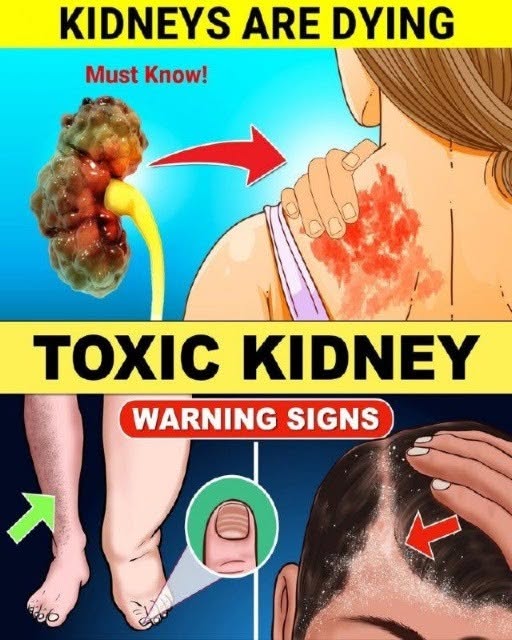
If you’re referring to the headline “9 Warning Signs Your Kidneys Are Failing | Tests to Avoid Dialysis,” the important correction is that kidney disease often causes no symptoms in its early stages. You cannot reliably tell how well your kidneys are working from symptoms alone. Blood and urine testing is much more useful.
N
NIDDK
+1
⚠️ Possible warning signs of advanced kidney disease
As kidney function becomes severely reduced, symptoms can include:
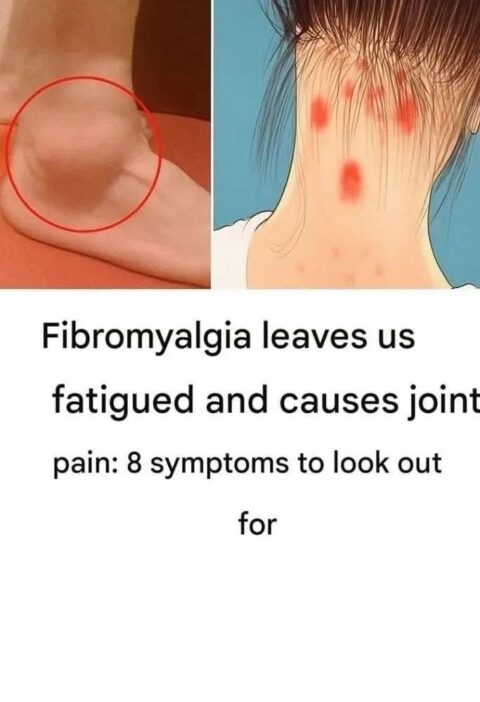
Swelling of the feet, ankles or legs
Unusual tiredness or weakness
Nausea, poor appetite or weight loss
Itching
Muscle cramps
Changes in urination—including producing very little urine
Sleep problems
Difficulty concentrating or confusion
Shortness of breath, particularly when excess fluid accumulates
These symptoms aren’t specific to kidney failure and can have many other causes.
N
NIDDK
🧪 The two most important kidney tests
1. eGFR (estimated glomerular filtration rate)
This is calculated from a blood creatinine measurement and estimates how well your kidneys filter blood. An eGFR below 60 may indicate kidney disease, while 15 or below is generally considered kidney failure.
N
NIDDK
2. Urine albumin-to-creatinine ratio (UACR)
This detects albumin/protein leaking into the urine, which can be an early sign of kidney damage. A UACR of 30 mg/g or less is generally normal; above 30 mg/g may indicate kidney disease.
N
NIDDK
🛡️ Can you “avoid dialysis”?
Sometimes progression of chronic kidney disease can be slowed substantially by finding it early and treating its cause. Controlling blood pressure and diabetes, when present, and following an individualized treatment plan can help protect remaining kidney function.
N
NIDDK
+1
But there is no test or home remedy that guarantees you can avoid dialysis. If kidney function falls to kidney-failure levels, treatment options include dialysis, kidney transplantation, or—in some circumstances—conservative kidney care.
N
NIDDK
If you have diabetes, high blood pressure, heart disease, or a family history of kidney failure, ask your doctor about regular eGFR and urine-albumin testing, even if you feel completely healthy.
N
NIDDK
N
Sources