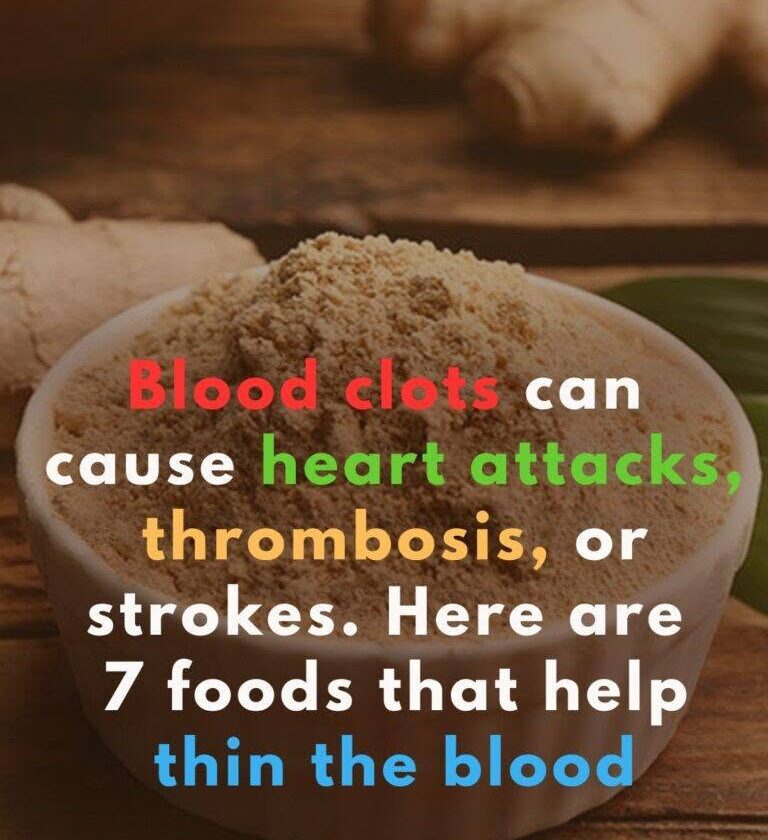
If you’re revisiting the “7 powerful blood-thinning foods” claim, the key point is that food does not work like an anticoagulant medication. Some foods contain compounds that can influence platelet function or interact with blood-thinning medicines, but they should not be used to treat a blood clot.
7 foods commonly associated with blood-thinning effects
Garlic 🧄 — Garlic, particularly concentrated supplements, may affect platelet aggregation. High-dose supplements can increase bleeding risk.
Ginger 🫚 — Ginger has compounds that may influence platelet activity. Evidence is not strong enough to use it as a medical blood thinner.
Turmeric 🟠 — Curcumin has demonstrated antiplatelet effects in laboratory research, but culinary turmeric isn’t equivalent to an anticoagulant.
Fatty fish 🐟 — Salmon, sardines and mackerel provide omega-3 fatty acids that support cardiovascular health. They don’t “dissolve” blood clots.
Berries 🫐 — Blueberries, strawberries and other berries contain polyphenols being studied for effects on vascular and platelet function.
Green tea 🍵 — Green tea contains compounds that may affect clotting. If you take warfarin, keep your vitamin-K intake consistent rather than suddenly consuming large amounts of green tea or other vitamin-K-rich foods.
Cocoa/dark chocolate 🍫 — Cocoa flavanols may affect vascular function and platelet activity, but this isn’t strong evidence that chocolate is a blood thinner.
⚠️ If you take a blood thinner
Don’t deliberately increase these foods or take concentrated supplements to “thin your blood.” Combining supplements such as garlic, ginger or turmeric extracts with anticoagulants or antiplatelet drugs can potentially increase bleeding risk.
And if you’re taking warfarin, consistency matters because changing your intake of vitamin-K-rich foods can alter its effect.
What really prevents dangerous clots?
For people at risk of DVT or pulmonary embolism, prevention and treatment depend on the cause and may involve prescription anticoagulants, movement, compression therapy in selected cases, or treatment of an underlying condition. Food isn’t a substitute.
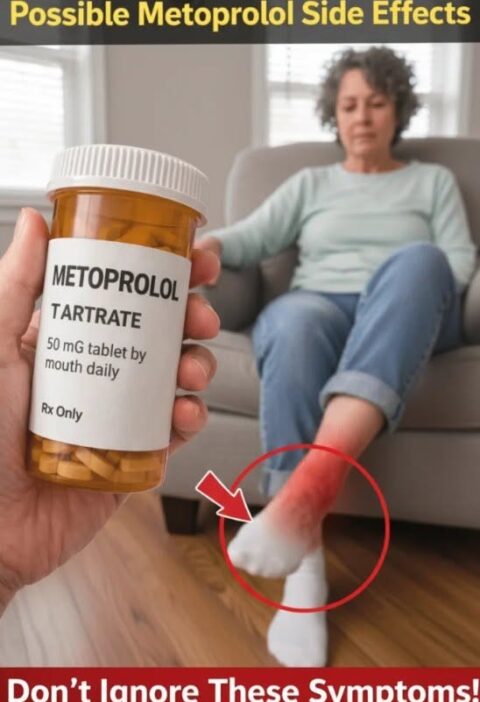
If you’re asking because you have one-sided leg swelling/pain, warmth or redness, don’t try to treat it with these foods—get medical evaluation. Sudden shortness of breath, chest pain, coughing blood, fainting, or severe dizziness requires emergency care.