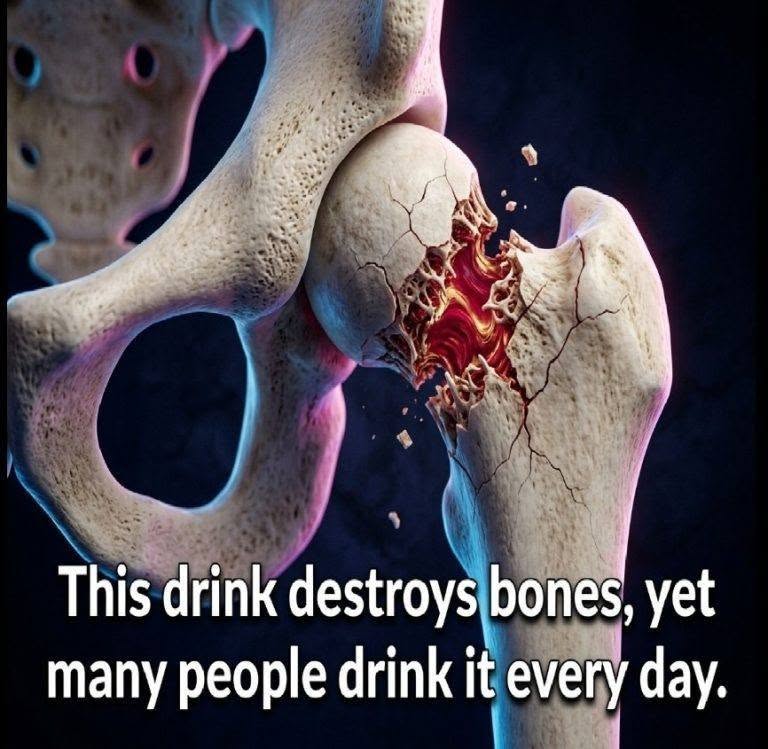
If you mean the popular headline “The five drinks most harmful to your bones,” there isn’t a medically recognized top-five list. The evidence is more nuanced: heavy alcohol intake is the clearest concern, while caffeine and cola/sugary beverages are mainly concerns when consumed heavily or when they displace calcium-rich foods and drinks.
P
PubMed Central (PMC)
+1
5 drinks worth limiting
Heavy alcohol consumption 🍺🍷
Chronic heavy drinking can increase fracture risk and contribute to weaker bones through several mechanisms, including effects on calcium and vitamin D.
N
NIAMS
Cola 🥤
Frequent cola consumption has been associated with lower bone density in some studies. However, it’s not clear that carbonation or phosphorus itself is the culprit; replacing nutritious calcium-containing drinks with soda may be part of the explanation.
H
Harvard Health
+1
Sugary soft drinks
Regular soda provides substantial sugar without meaningful calcium or vitamin D. High consumption is associated with several health problems and can displace more nutritious beverages.
H
Harvard Health
Very high-caffeine drinks ☕
Caffeine can modestly reduce calcium absorption and increase urinary calcium loss. Moderate caffeine intake isn’t generally considered a major threat to bone health, particularly when calcium intake is adequate.
N
NCBI
+1
High-caffeine energy drinks ⚡
These can combine substantial caffeine with large amounts of sugar and may be a poor choice when consumed frequently. The concern is more about the overall nutritional pattern than a proven direct “bone-destroying” effect.
One important myth
Carbonation itself does not appear to strip calcium from your bones. Plain sparkling water is not equivalent to cola. The evidence linking soda with bone health is complicated and doesn’t justify avoiding all carbonated drinks.
H
Harvard Health
Better choices for your bones
Prioritize water, milk or calcium-fortified alternatives, and make sure your diet provides adequate calcium, vitamin D and protein. Weight-bearing and resistance exercise are also important for maintaining bone strength.
N
National Institute on Aging
+1
Bottom line: Don’t panic about an occasional coffee, soda, or alcoholic drink. For bone health, the bigger priorities are avoiding heavy alcohol use, limiting excessive sugary/caffeinated beverages, getting enough calcium and vitamin D, and staying physically active.
P
N
H
Sources