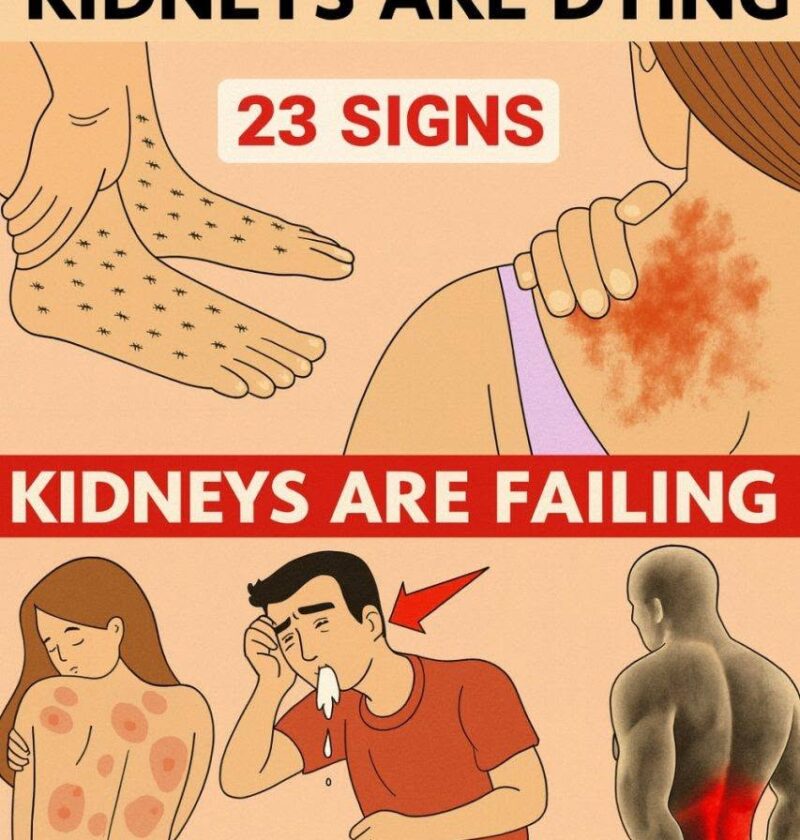
The headline “23 strange signs your kidneys might be in trouble” is a bit sensational. Kidney disease is often called a “silent” condition because early kidney disease frequently causes no noticeable symptoms. Symptoms usually become more apparent as kidney function declines.
N
NIDDK
+1
Possible signs worth paying attention to
Some symptoms that can occur with kidney disease include:
Foamy or persistently bubbly urine
Blood or pink/cola-colored urine
Urinating more often, especially at night
Producing much less urine than usual
Swollen ankles, feet, legs, hands, or face
Puffy eyes, particularly in the morning
Persistent tiredness or weakness
Difficulty concentrating
Trouble sleeping
Dry or persistently itchy skin
Muscle cramps
Poor appetite
Nausea or vomiting
Unexplained weight loss
Increased thirst
Shortness of breath
Chest discomfort
Headaches
Numbness or tingling
Changes in taste, including a metallic taste
Drowsiness or confusion in advanced disease
High blood pressure or worsening blood pressure
Persistent swelling or unexplained fluid-related weight gain.
N
National Kidney Foundation
+2
Important: none of these symptoms proves that your kidneys are failing. Many have much more common explanations. For example, frequent urination can result from diabetes, a urinary infection, medications, or prostate problems.
N
National Kidney Foundation
The best way to check your kidneys
Don’t wait for symptoms. Two routine tests are particularly useful:
eGFR: a blood test estimating how well your kidneys filter blood.
uACR (urine albumin-to-creatinine ratio): checks for albumin/protein leaking into urine.
Early kidney disease can be detected through these tests before you feel unwell. People with diabetes, high blood pressure, heart disease, or a family history of kidney failure are particularly important to screen.
N
NIDDK
+1
If you have blood in your urine, significant swelling, markedly reduced urine output, severe shortness of breath, chest pain, confusion, or persistent vomiting, seek medical evaluation promptly.
N
N
Sources