8 Symptoms of Pancreatic Disease: What They Mean and When to Pay Attention
Headlines like “8 Symptoms of PANCREATIC That Will SHOCK YOU” are designed to grab attention, but the reality is more important than the hype. The pancreas is a small organ located behind the stomach that plays a major role in digestion and blood sugar regulation. Problems affecting the pancreas—including Pancreatic cancer, Acute pancreatitis, and Chronic pancreatitis—can produce symptoms that are often subtle at first.
One challenge is that pancreatic symptoms frequently overlap with those of many other conditions, such as gallbladder disease, stomach ulcers, liver disorders, and digestive problems. That means having one of these symptoms does not automatically mean there is a serious pancreatic condition. However, persistent or unexplained symptoms deserve medical attention.
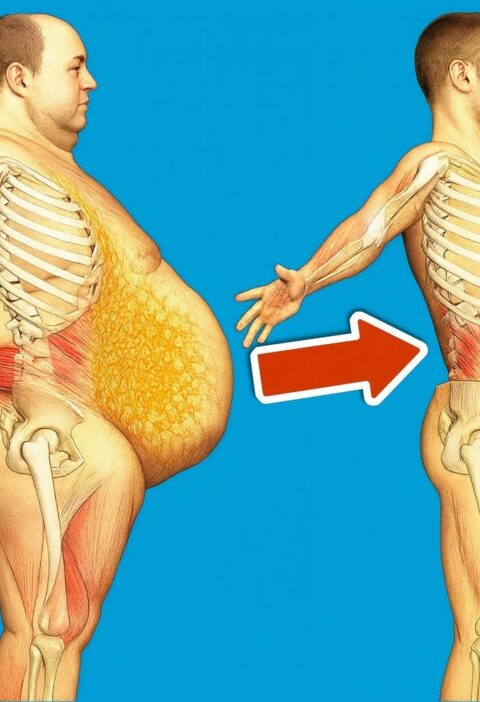
1. Unexplained Weight Loss
One of the most common warning signs of pancreatic disease is weight loss that occurs without trying.
People may notice:
- Clothes becoming looser
- Reduced muscle mass
- A drop in body weight despite normal eating habits
This can happen because the pancreas helps produce enzymes that digest food. When those enzymes are not working properly, the body may struggle to absorb nutrients efficiently. In some cases, illness can also increase the body’s energy demands, leading to weight loss.
Unintentional weight loss is especially important to discuss with a healthcare professional if it continues for several weeks or months.
2. Upper Abdominal Pain
Pain in the upper abdomen is another common symptom.
Characteristics may include:
- A dull ache in the middle or upper abdomen
- Pain that radiates toward the back
- Discomfort that worsens after meals
- Pain that becomes more noticeable when lying flat
The pancreas sits deep in the abdomen, so pain from pancreatic conditions can sometimes feel difficult to pinpoint. Some people describe it as a persistent pressure rather than a sharp pain.
Not every case of upper abdominal pain involves the pancreas, but recurring or worsening pain should be evaluated.
3. Back Pain
Because of the pancreas’s location near the spine, some pancreatic conditions can cause pain that spreads into the middle or upper back.
This pain may:
- Feel deep rather than muscular
- Persist even when changing positions
- Occur alongside abdominal discomfort
Back pain alone is extremely common and is usually caused by muscle strain, posture issues, or spinal conditions. However, when it appears together with other symptoms such as weight loss or digestive problems, it may warrant further investigation.
4. Jaundice
Jaundice refers to yellowing of the skin and the whites of the eyes.
It can occur when bile flow becomes blocked, leading to a buildup of bilirubin in the bloodstream.
Associated signs include:
- Yellow skin
- Yellow eyes
- Dark urine
- Pale stools
- Itchy skin
Jaundice is an important symptom because it often indicates a problem involving the liver, bile ducts, gallbladder, or pancreas. Anyone developing new jaundice should seek medical evaluation promptly.
5. Changes in Stool
The pancreas produces enzymes that help digest fats. When enzyme production is impaired, stool changes may occur.
Possible changes include:
- Pale-colored stools
- Oily or greasy stools
- Floating stools
- Strong or unusual odor
These changes happen because undigested fat passes through the digestive tract.
Persistent stool changes can provide useful clues about digestive health and should not be ignored, especially when accompanied by weight loss or abdominal pain.
6. Nausea and Vomiting
Many pancreatic disorders can interfere with normal digestion.
Symptoms may include:
- Feeling nauseated after eating
- Vomiting
- Bloating
- General stomach discomfort
These symptoms are common and can result from many causes, including infections and food-related illnesses. However, chronic or recurring nausea deserves medical attention.
A healthcare provider can help determine whether symptoms are related to the pancreas, stomach, gallbladder, or another part of the digestive system.
7. New-Onset Diabetes
The pancreas produces insulin, the hormone responsible for regulating blood sugar levels.
Sometimes pancreatic disease affects insulin production, leading to:
- Increased thirst
- Frequent urination
- Fatigue
- Elevated blood sugar levels
For some individuals, newly diagnosed diabetes can be an early clue that the pancreas is not functioning normally.
Most people who develop diabetes do not have pancreatic cancer, but doctors may pay closer attention when diabetes appears suddenly, particularly in older adults with additional concerning symptoms.
8. Persistent Fatigue
Fatigue is one of the most common symptoms reported in many illnesses, including pancreatic disorders.
People may experience:
- Low energy
- Reduced stamina
- Difficulty completing daily activities
- Feeling exhausted despite adequate sleep
Fatigue alone rarely points to a specific diagnosis. However, fatigue combined with weight loss, digestive symptoms, jaundice, or abdominal pain may provide important information about an underlying health problem.
When to Seek Medical Attention
Many of these symptoms can result from relatively common conditions. Nevertheless, certain combinations deserve prompt evaluation:
- Jaundice
- Unexplained weight loss
- Persistent abdominal pain
- Ongoing back pain with digestive symptoms
- Repeated vomiting
- Significant stool changes
- Sudden diabetes accompanied by weight loss
A healthcare professional may recommend blood tests, imaging studies, or other evaluations depending on the symptoms and medical history.
Reducing Your Risk
While not all pancreatic diseases can be prevented, some lifestyle habits may help support pancreatic and overall health:
- Avoid smoking
- Maintain a healthy weight
- Exercise regularly
- Limit excessive alcohol consumption
- Eat a balanced diet rich in fruits, vegetables, whole grains, and lean proteins
- Manage conditions such as diabetes and high cholesterol