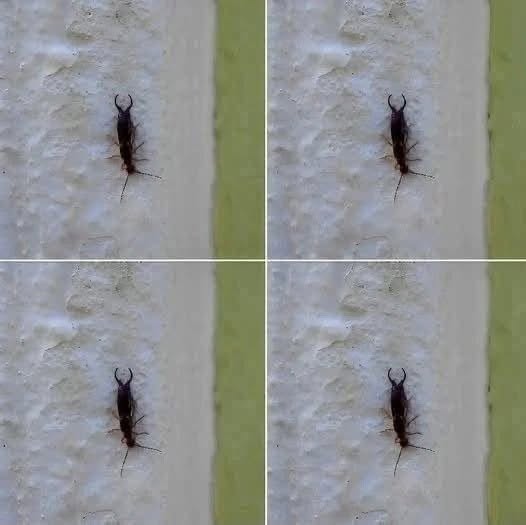
“Warning! If You Find This Insect in Your Home…” — What Does It Mean?
This kind of headline is usually clickbait unless it identifies the insect. Finding one insect doesn’t automatically mean your home has a dangerous infestation. Correct identification is the first step because different household insects require very different responses.
U
University of Maryland Extension
+1
Some insects, however, deserve attention:
Termites or termite swarmers: Finding winged termites, discarded wings, mud tubes, or damaged/hollow wood can indicate an infestation that may damage the structure. Professional inspection is recommended.
U
University of Maryland Extension
+1
Bed bugs: Look for the insects around mattress seams, dark reddish-brown spots, shed skins, or bugs hiding in cracks near sleeping areas. Bed bugs aren’t known to transmit disease, but infestations can be difficult to eliminate.
C
CDC
+1
Cockroaches: Repeated sightings, especially at night, can indicate an infestation. They can contaminate food and may worsen allergies or asthma.
P
Penn State Extension
Carpenter ants: Numerous ants indoors, particularly near damp or damaged wood, can indicate a nest or moisture problem.
U
University of Maryland Extension
What to do
Don’t immediately spray an unknown insect with pesticides. Take a clear photo and identify it first. Then check for food sources, moisture, cracks, leaks, and possible entry points. Sealing openings, reducing moisture, keeping food sealed, and maintaining cleanliness are important parts of integrated pest management.
P
Penn State Extension
+1
If you send me a picture of the insect, I can identify it and tell you whether finding it is actually a warning sign.
U
C
P
Sources