Lumbago (Acute Lower Back Pain): Symptoms, Duration and Treatment
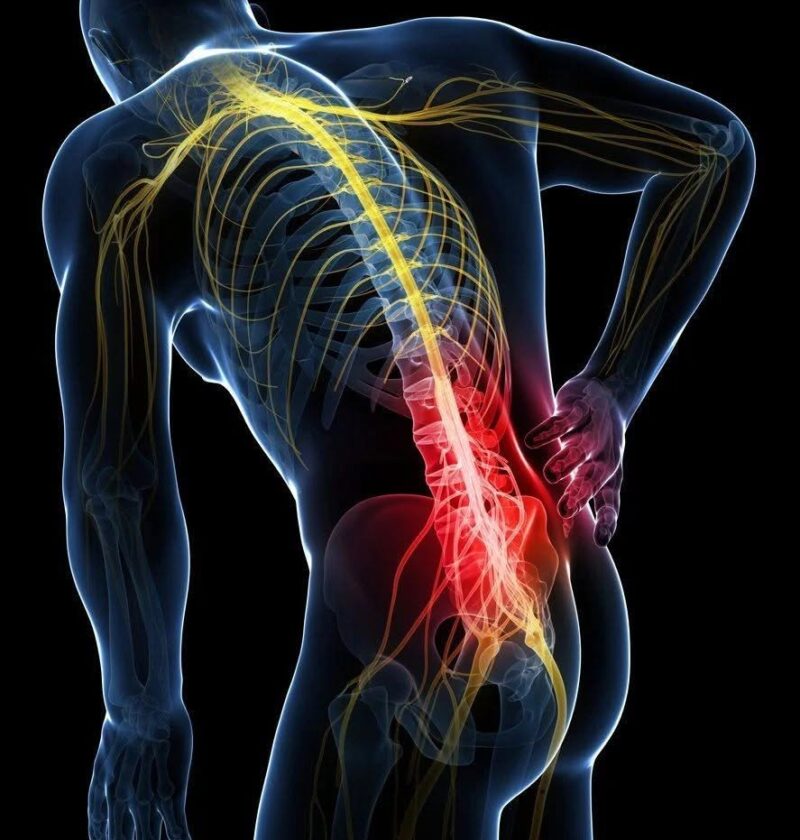
Lumbago is an older term commonly used for sudden or acute pain in the lower back. In many cases, the cause is nonspecific—often involving strained muscles, ligaments, joints, or irritation of tissues around the spine. Most episodes improve within a few weeks.
N
nhs.uk
+1
Common symptoms
You may experience:
Aching, stiffness, or sharp pain across the lower back
Pain that changes with movement or position
Muscle tightness or spasms
Pain extending into the buttocks or thighs
Difficulty bending, standing, or walking normally
If pain travels down one leg with tingling, numbness, or weakness, sciatica may be involved rather than uncomplicated lumbago.
N
nhs.uk
How long does it last?
Acute low-back pain generally means symptoms lasting less than 6 weeks. Most people improve substantially within the first several weeks, and many recover fully within a few months.
T
The Dudley Group NHS Foundation Trust
What usually helps?
Keep moving: Gentle walking and normal daily activities are generally preferable to prolonged bed rest.
N
nhs.uk
Heat or ice: A wrapped heat pack can help muscle stiffness or spasms; an ice pack may help some people with acute pain.
Gentle exercise: Gradually resume stretching, walking, and strengthening as your symptoms allow.
Pain medication: An NSAID such as ibuprofen may be appropriate for some people, but it isn’t suitable for everyone. Ask a pharmacist or doctor, particularly if you have kidney disease, stomach ulcers, heart problems, take blood thinners, or take multiple medicines.
N
nhs.uk
Physiotherapy: If pain persists or interferes substantially with normal activities, an individualized exercise program can be helpful.
🚨 When back pain needs urgent attention
Seek emergency medical care if back pain is accompanied by:
New difficulty passing urine or loss of bladder/bowel control
Numbness around the genitals, anus, or buttocks
Significant or worsening weakness/numbness in both legs
Severe pain following a serious accident
Severe or rapidly worsening neurological symptoms
N
nhs.uk
+1
Also seek prompt medical assessment if you have fever or feel very unwell, unexplained weight loss, a history of cancer, or severe pain that is particularly bad at night or when lying down.
N
nhs.uk
+1
One important point for older adults
If you’re 83, new severe lower-back pain deserves a little more caution, particularly if it follows even a relatively minor fall or injury. In older adults, osteoporosis-related vertebral fractures can occur after relatively minor trauma.
B
BLMKICB Medicines Optimisation
Don’t assume every new backache is simply “lumbago.” If you tell me where the pain is, how suddenly it started, whether it travels into your legs, and whether you had a fall or lifting injury, I can help you distinguish ordinary acute back pain from symptoms that should be checked promptly.
N
T
B
Sources