Dry mouth every morning: what could be causing it?
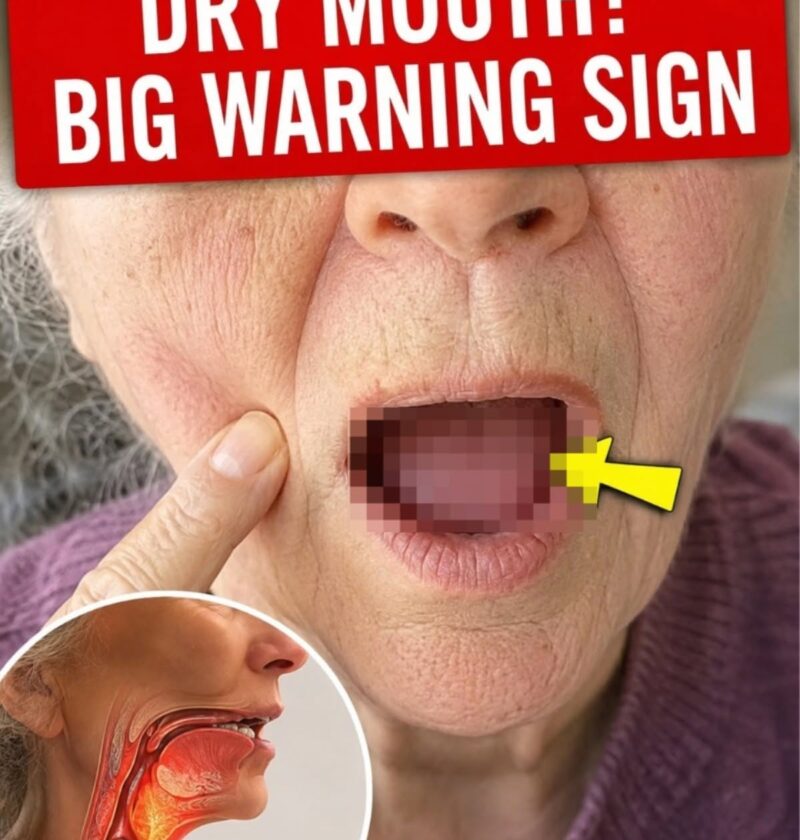
Waking up with a dry mouth is usually not a sign of something serious, but persistent dryness is worth investigating because several different things can cause it.
N
nhs.uk
+1
Common possibilities include:
Mouth breathing while asleep — a blocked nose, allergies, snoring, or sleeping with your mouth open can dry the mouth overnight.
Dehydration — especially if you don’t drink enough during the day or have been sweating, vomiting, or having diarrhea.
Medications — antihistamines, antidepressants, diuretics, some pain medicines, decongestants, and many other drugs can reduce saliva.
Alcohol or too much caffeine — these can worsen dryness.
Sleep apnea — particularly if dry mouth occurs with loud snoring, gasping during sleep, or significant daytime sleepiness.
N
nhs.uk
Diabetes — persistent dry mouth together with excessive thirst and frequent urination deserves medical evaluation.
Sjögren’s syndrome — an autoimmune condition that commonly causes persistent dry mouth and dry eyes.
Oral problems such as thrush — soreness, redness, or white patches can be clues.
N
nhs.uk
+1
What you can do
Keep water beside your bed and take regular sips during the day. Sugar-free gum or lozenges can stimulate saliva. Maintain good dental hygiene because chronic dry mouth increases the risk of tooth decay, gum disease, and oral infections.
U
UCL Hospitals
+1
If your mouth stays dry for several weeks, makes eating or speaking difficult, or occurs with frequent urination, excessive thirst, dry eyes, mouth pain, bleeding, or white patches, arrange a medical or dental evaluation.
N
nhs.uk
Don’t stop a prescribed medication on your own, even if you suspect it’s causing the dryness. A doctor or pharmacist can determine whether the medication, dose, or timing should be changed.
N
nhs.uk
N
U
Sources