5 Drinks That May Be Bad for Bone Health
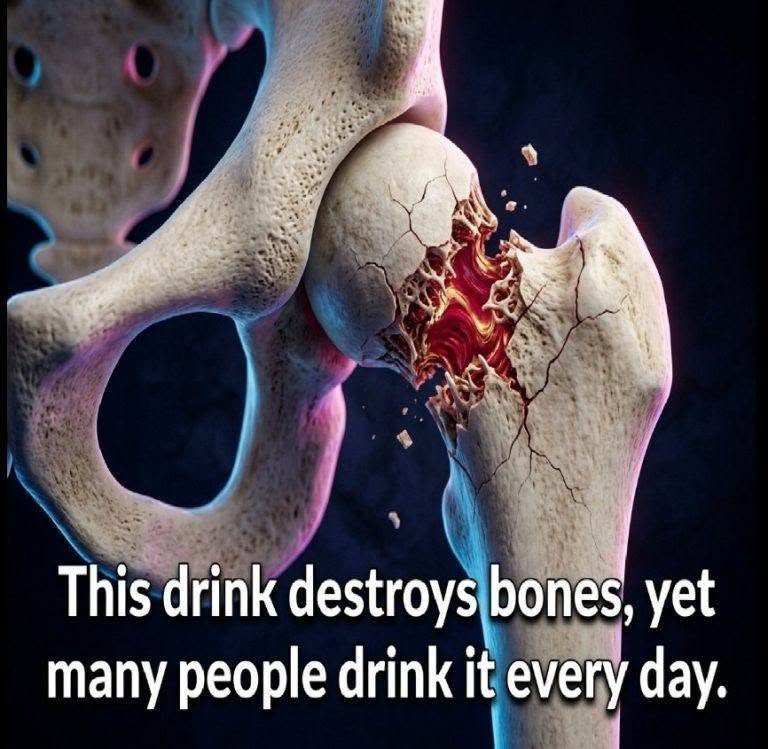
The claim that certain drinks literally “destroy” or “leach calcium from your bones” is exaggerated. However, some beverages can contribute to poorer bone health, particularly when consumed frequently or when they replace calcium- and vitamin-D-rich foods.
H
Harvard Health
+1
Cola and other soft drinks
Cola consumption has been associated with lower bone mineral density in some studies, particularly among women. However, researchers haven’t established that cola itself directly causes osteoporosis.
H
Harvard Health
+1
Sugary sodas and sweetened drinks
Regular consumption provides lots of calories but little nutritional value and may displace more nutritious beverages. Excessive intake can contribute indirectly to factors that affect overall bone health.
T
The Nutrition Source
Energy drinks
Many contain substantial amounts of caffeine and added sugar. High caffeine intake can modestly increase calcium loss, particularly when calcium intake is already low.
N
NCBI
+1
Excessively caffeinated coffee or tea
Moderate caffeine consumption isn’t something most people need to eliminate. However, high caffeine intake can slightly reduce calcium absorption and increase calcium excretion.
N
NCBI
Heavy alcohol consumption
This is the clearest concern on the list. Chronic heavy drinking can interfere with calcium absorption and bone remodeling and is an established risk factor for osteoporosis and fractures.
C
Cleveland Clinic
+1
What should you drink instead?
Water is the simplest everyday choice. Milk or calcium/vitamin-D-fortified alternatives can also contribute valuable nutrients for bone health.
T
The Nutrition Source
+1
And you don’t necessarily have to completely eliminate coffee or an occasional soda. Overall dietary calcium and vitamin D, resistance/weight-bearing exercise, not smoking, and limiting heavy alcohol use are much more important for maintaining strong bones.
N
NIAMS
+1
Bottom line: Don’t panic about an occasional soft drink or cup of coffee. The bigger concern is habitual excessive consumption—especially heavy alcohol intake and replacing nutritious beverages or foods with sugary drinks.
H
T
N
Sources