Drooling in Your Sleep: 6 Possible Reasons
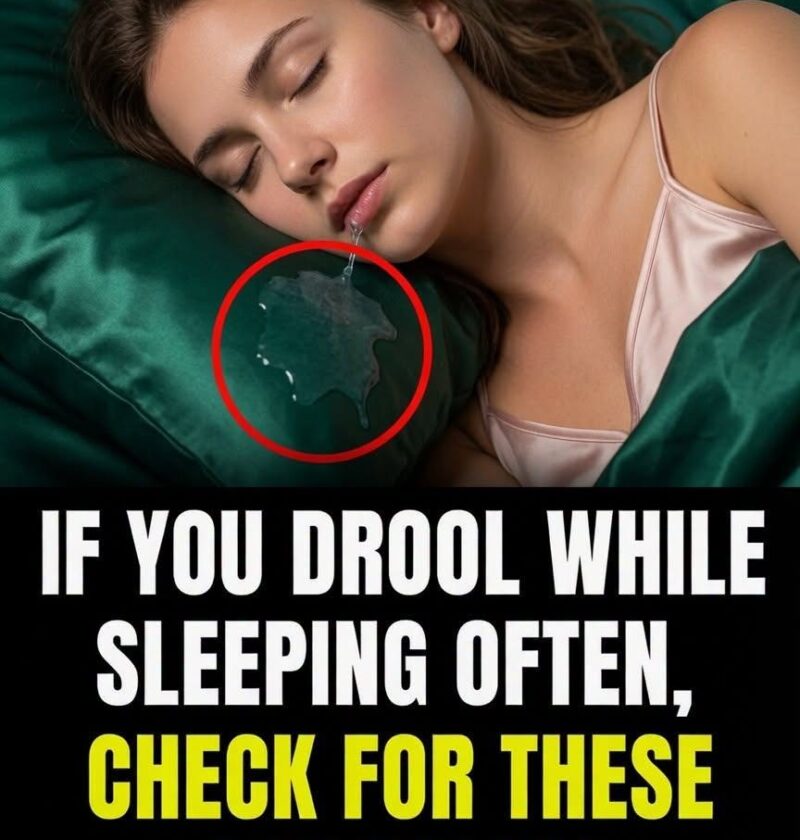
Drooling while asleep is common and usually harmless, particularly if you sleep on your side or stomach. It happens because saliva can escape when the mouth is open and swallowing naturally slows during sleep.
C
Cleveland Clinic
However, new, excessive, or persistent drooling can sometimes be associated with an underlying condition.
1. Sleep apnea
Obstructive sleep apnea can cause repeated airway obstruction, mouth breathing, snoring, and disrupted sleep. Drooling alone doesn’t diagnose sleep apnea, but it may be worth discussing if you also have loud snoring, witnessed breathing pauses, gasping, morning headaches, or significant daytime sleepiness.
C
Cleveland Clinic
+1
2. Acid reflux (GERD)
Reflux can stimulate saliva production as the body attempts to protect the esophagus from stomach acid. Nighttime reflux may therefore contribute to excess saliva and drooling.
C
Cleveland Clinic
3. Nasal congestion or allergies
A blocked nose can encourage mouth breathing during sleep, making drooling more likely. Allergies and sinus problems are among the conditions associated with drooling.
C
Cleveland Clinic
4. Difficulty swallowing
Drooling isn’t always caused by producing too much saliva. Problems controlling or swallowing saliva can allow it to accumulate and spill from the mouth.
C
Cleveland Clinic
5. Certain neurological conditions
Conditions that affect the muscles or nerves involved in swallowing and mouth control—including Parkinson’s disease, multiple sclerosis, ALS and stroke—can cause excessive drooling.
C
Cleveland Clinic
+1
6. Certain medications or other conditions
Some medications can increase saliva production. Dental problems, throat infections, nausea and other conditions can also contribute.
C
Cleveland Clinic
+1
When should you get checked?
Occasional wetness on your pillow usually isn’t a reason for concern. Make an appointment with a healthcare professional if drooling is new, persistent, worsening, or accompanied by difficulty swallowing, choking, significant snoring, breathing pauses, or other neurological symptoms.
If drooling starts suddenly along with facial drooping, arm weakness, trouble speaking, confusion, or other sudden neurological symptoms, treat it as a possible stroke and call emergency services immediately.
Bottom line: Sleeping drooling by itself usually isn’t a warning sign of serious disease. The other symptoms occurring alongside it are much more important.
C
Sources