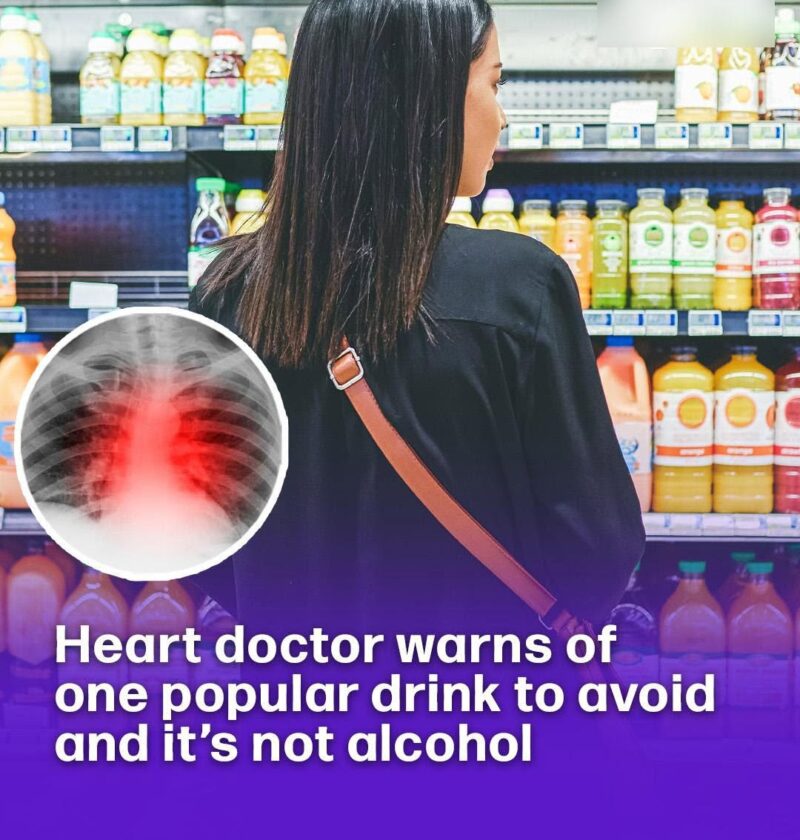
The “liquid death” wording is sensationalized, but if the drink being referenced is sugar-sweetened soda or another heavily sweetened beverage, there is a legitimate heart-health concern.
Why sugary drinks can be hard on the heart
Regular consumption of sugar-sweetened beverages is associated with higher cardiovascular risk. Research links them with weight gain, type 2 diabetes, higher triglycerides, lower HDL (“good”) cholesterol and high blood pressure—all important cardiovascular risk factors.
W
www.heart.org
+1
The American Heart Association notes that a typical 12-ounce regular soda contains about 42 grams (10 teaspoons) of added sugar.
W
www.heart.org
More recent research also found that consuming two or more servings of sugary beverages daily was associated with a substantially higher later risk of high blood pressure compared with very low consumption.
A
American Heart Association
What about energy drinks?
They’re another category worth limiting. They can contain large amounts of caffeine, and high caffeine doses—particularly from energy drinks—may adversely affect the heart. The AHA’s 2026 review says that up to 400 mg of caffeine per day is generally safe for most adults when consumed without excessive added sugar, while high doses such as those found in energy drinks may be harmful.
W
www.heart.org
The better takeaway
There’s no single beverage that deserves the medical label “liquid death.” The bigger concern is habitual, high consumption of sugary drinks and excessive-caffeine beverages.
For everyday hydration, water is the simplest choice. If you regularly drink soda, sweet tea, sweetened coffee, sports drinks or energy drinks, replacing some of them with water or unsweetened alternatives is a meaningful heart-health improvement.
W
www.heart.org
+1
W
A
Sources