Gallbladder Removal: What Really Happens After Surgery?
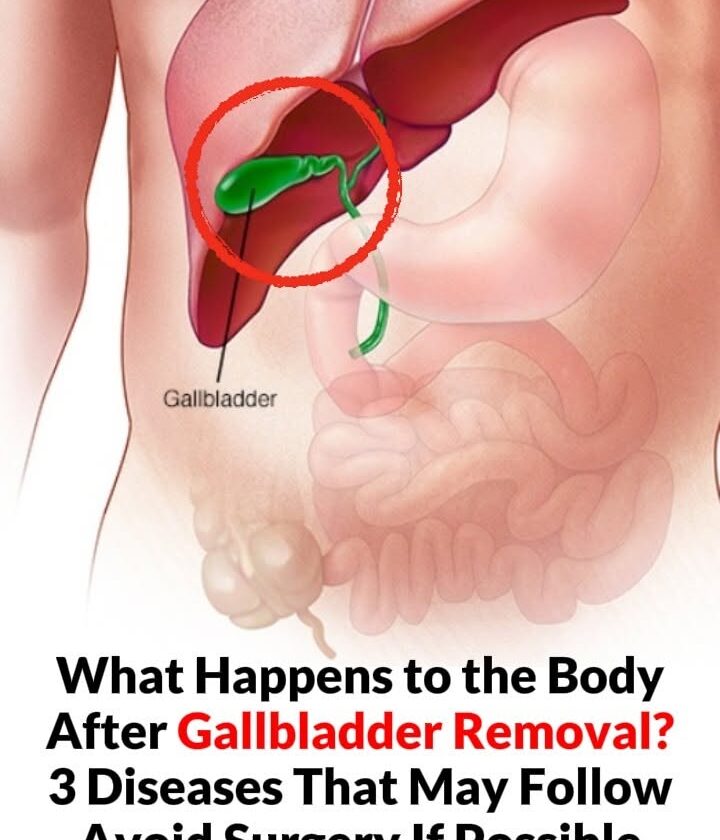
The headline “3 diseases that may follow—avoid surgery if possible” is misleading. Gallbladder removal (cholecystectomy) is a common and generally safe operation, and you can live normally without a gallbladder.
N
NIDDK
+1
What changes after the gallbladder is removed?
Your liver continues to make bile, but instead of storing bile in the gallbladder, bile flows directly into the small intestine. Most people can digest food normally afterward. Some people temporarily have softer or more frequent stools, diarrhea, bloating, nausea, or indigestion.
N
NIDDK
+1
Some people find that fatty foods are harder to tolerate, particularly during the early recovery period, although a special long-term diet isn’t generally required.
G
Guy’s and St Thomas’ NHS Trust
Are there “3 diseases” caused by gallbladder removal?
Not in the way the headline suggests. There isn’t good evidence that gallbladder removal routinely causes three specific diseases.
There are potential complications, including:
Bile leakage
Injury to a bile duct or nearby organs
Infection or bleeding
Blood clots
Gallstones remaining in the bile ducts
Persistent abdominal pain, indigestion, or diarrhea sometimes called post-cholecystectomy syndrome.
N
nhs.uk
These complications are generally uncommon, and the risks depend on factors such as your health and the reason for surgery.
Should you avoid gallbladder surgery?
Not automatically. If gallstones aren’t causing symptoms, treatment may not be necessary. But symptomatic or complicated gallstones can cause repeated attacks, gallbladder inflammation, bile-duct blockage, jaundice, or pancreatitis. In these situations, surgery is often the standard treatment and may prevent more serious complications.
N
NIDDK
+1
So the decision should be based on your diagnosis, symptoms, imaging, overall health, and surgical risk, rather than a blanket recommendation to avoid surgery.
Bottom line: Gallbladder removal changes how bile is stored, but it doesn’t mean your body can no longer digest food normally. Don’t postpone medically recommended surgery solely because of sensational claims about “three diseases.”
G
Guy’s and St Thomas’ NHS Trust
N
G
N
Sources