Sebaceous Cysts Explained: Causes, Treatment & Safe Home Care
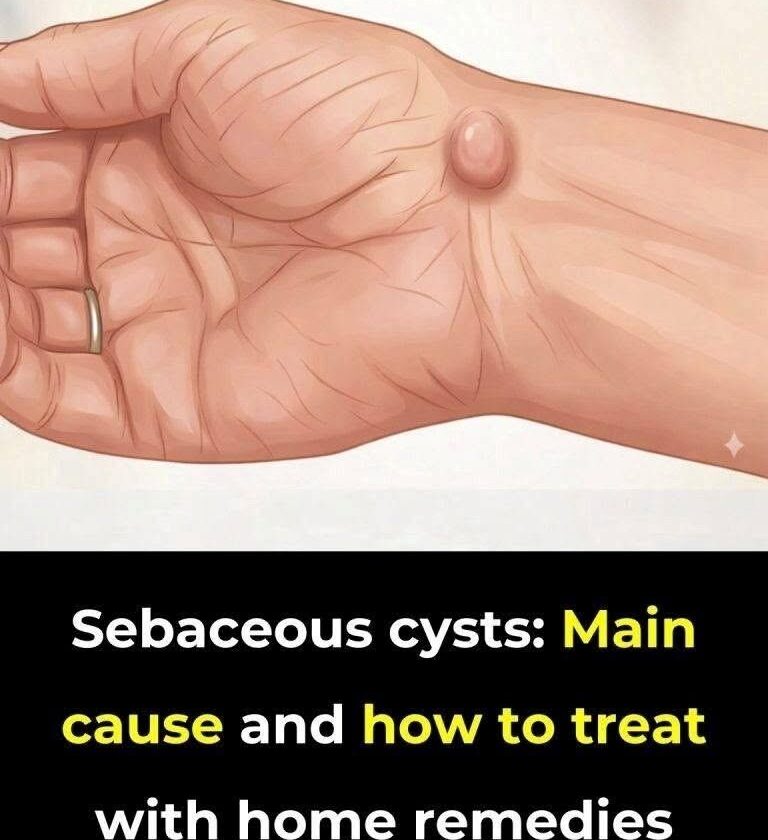
What people commonly call a “sebaceous cyst” is often actually an epidermoid cyst—a benign, slow-growing lump beneath the skin. True sebaceous cysts are less common.
What causes them?
Epidermoid cysts can develop when skin cells that normally shed from the surface become trapped deeper in the skin and continue producing keratin, creating a cyst. Skin injury or irritation involving a hair follicle can also contribute.
They commonly appear on the face, neck and trunk and are often painless. Some have a small dark opening in the center and may release thick, unpleasant-smelling material.
🏠 What can you do at home?
If the cyst isn’t painful or infected, it can often simply be left alone.
- Apply a warm, moist cloth to the area to encourage drainage and healing.
- Keep the area clean.
- Don’t squeeze, puncture, or try to pop it. This can cause infection, inflammation and scarring.
There isn’t a proven home remedy that permanently dissolves an epidermoid cyst. If the cyst’s capsule remains, it can come back even after it drains.
👩⚕️ When should you get it checked?
See a healthcare professional if a lump is new or unexplained, grows quickly, becomes painful/red, breaks open, repeatedly returns, or interferes with daily activities.
If removal is necessary, a clinician can drain it or, more definitively, remove the entire cyst and its capsule. Complete removal reduces the likelihood of recurrence.
Bottom line: Most epidermoid cysts are harmless and don’t require treatment. Warm compresses may help, but squeezing or cutting one yourself is not recommended. A new or changing lump should be examined rather than automatically assumed to be a cyst.