What Happens to the Body After Gallbladder Removal? The Facts
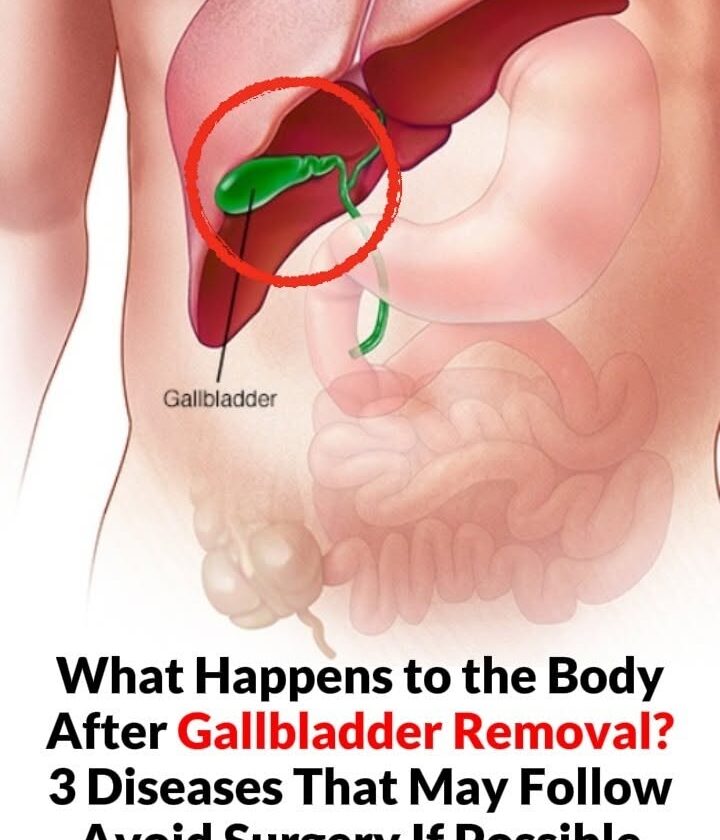
Gallbladder removal (cholecystectomy) is a common operation, and most people can live normally without a gallbladder. The liver continues to make bile; instead of being stored in the gallbladder, bile flows more continuously into the small intestine.
Possible changes after surgery
Some people experience temporary or ongoing:
Diarrhea or looser stools
Bloating or gas
Abdominal discomfort, particularly after fatty meals
Indigestion
These symptoms don’t mean that surgery caused a new disease, and many improve as the digestive system adjusts.
What about the “3 diseases” claim?
There is no established list of three diseases that everyone develops after gallbladder removal. Claims that gallbladder surgery routinely causes serious diseases are misleading.
Gallbladder removal is often recommended because untreated gallstones can themselves cause serious complications, including inflammation of the gallbladder, bile-duct infection or blockage, and pancreatitis. For people with symptomatic gallstones or certain complications, avoiding medically recommended surgery can carry significant risks.
Bottom line: Gallbladder removal isn’t something to avoid automatically. Whether surgery is appropriate depends on why you have gallbladder disease, your symptoms, and your individual risks. If surgery has been recommended, discuss the benefits and alternatives with your surgeon rather than relying on viral “avoid surgery” claims.