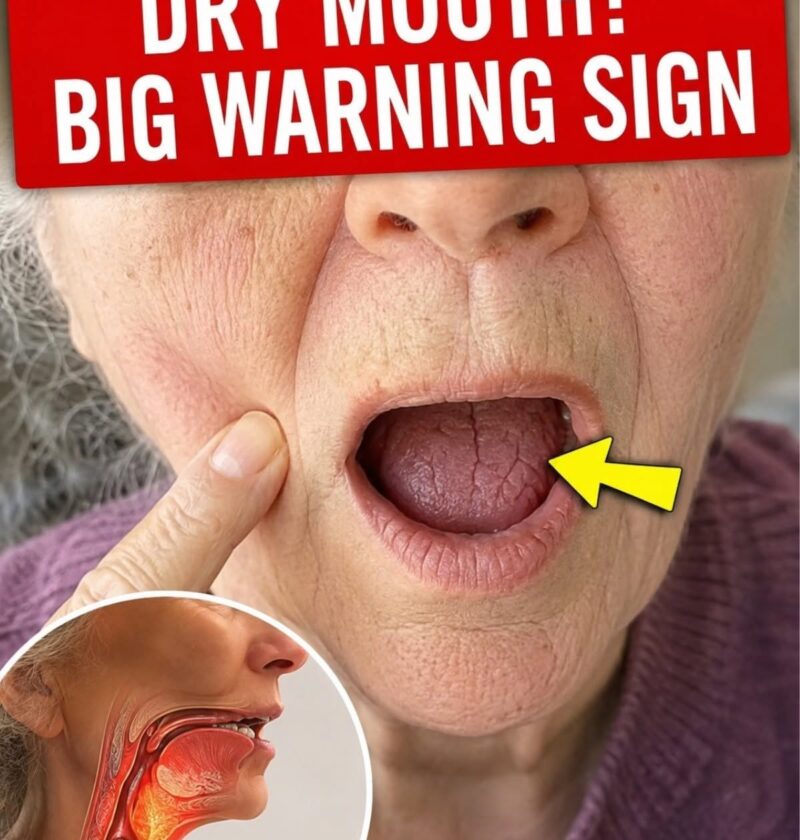
💧 Dry Mouth Is Not Simply Aging — Here’s What May Be Causing It
Dry mouth, also called xerostomia, is common, particularly in older adults, but persistent dry mouth shouldn’t automatically be dismissed as a normal part of aging. It can happen when the salivary glands produce too little saliva or when medications and other conditions affect saliva production.
Common causes include:
💊 Medications — hundreds of medicines can cause dry mouth, including some antihistamines, antidepressants, blood-pressure medicines, and decongestants.
💧 Dehydration — not drinking enough fluids, vomiting, diarrhea, or excessive sweating can contribute.
😮💨 Mouth breathing — often associated with nasal congestion or sleep-related breathing problems.
🩺 Certain medical conditions — including diabetes and some autoimmune disorders.
🚬 Smoking or tobacco use can worsen oral dryness.
Why it matters
Saliva protects your teeth and mouth. Persistent dry mouth can increase the risk of tooth decay, gum problems, mouth infections, difficulty swallowing, and problems speaking or tasting food.
What can help
Drink water regularly, chew sugar-free gum or use sugar-free lozenges to stimulate saliva, avoid tobacco, and limit excessive alcohol and caffeine. Don’t stop a prescription medication on your own—ask your doctor or pharmacist whether it could be contributing to the problem.
Bottom line: Dry mouth isn’t something you simply have to accept as “aging.” If it persists, identifying the underlying cause can make a big difference to your oral health and comfort.