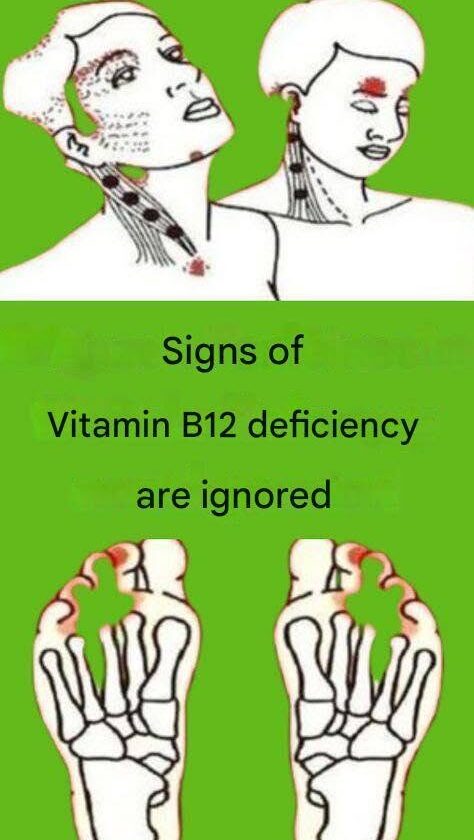
Why it gets overlooked
B12 deficiency often starts mildly and looks like everyday problems—fatigue, stress, poor sleep—so people don’t connect the dots until it progresses.
Early signs that are commonly ignored
These can be subtle and come and go:
- Persistent tiredness or low energy
- “Brain fog” or trouble concentrating
- Mood changes (irritability, low mood)
- Mild shortness of breath during activity
- Headaches
Neurological signs (more important)
As it progresses, B12 affects nerves, which makes symptoms more noticeable:
- Tingling or “pins and needles” in hands or feet
- Balance problems or unsteady walking
- Numbness in extremities
- Memory issues or confusion
These are the signs that should not be brushed off if they persist.
Physical signs
- Pale or slightly yellowish skin
- Sore or smooth tongue
- Mouth ulcers
- Muscle weakness
Why ignoring it matters
If left untreated for a long time, B12 deficiency can lead to:
- Permanent nerve damage
- Ongoing cognitive problems
- Severe anemia (including pernicious anemia)
The good news is that when caught early, it’s usually very treatable with supplements or injections.
Important reality check
Not every tired or “foggy” feeling is B12 deficiency. These symptoms overlap with:
- Iron deficiency
- Thyroid problems
- Stress or poor sleep
- General nutritional gaps
That’s why a simple blood test is the only way to confirm it.
If you want, tell me your symptoms and diet (especially if you eat meat, dairy, or not), and I can help you estimate whether B12 deficiency is actually likely or just being mimicked by something else.