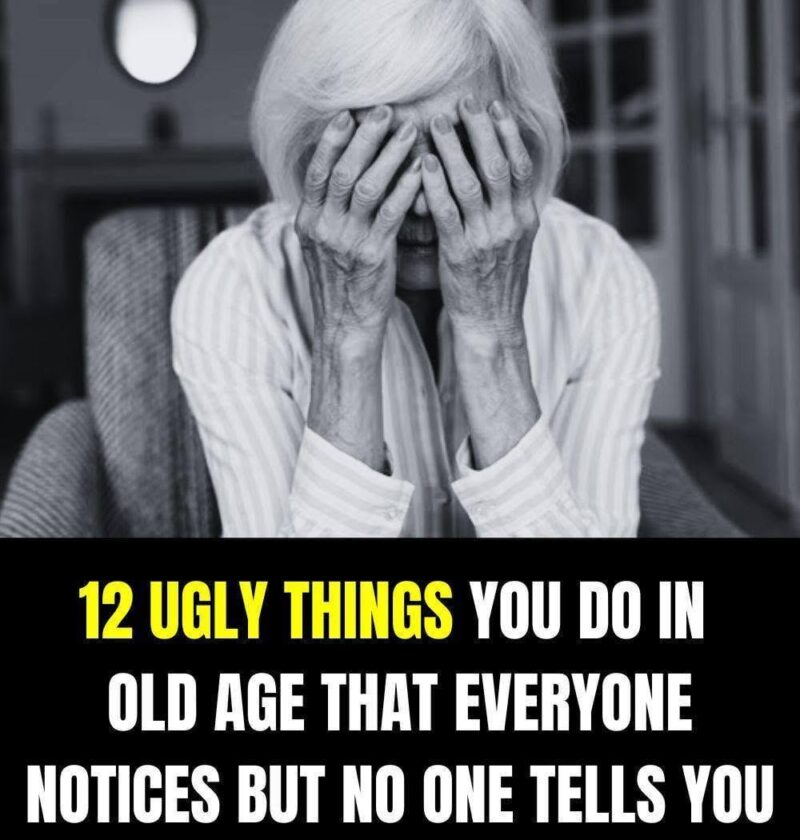
That kind of headline is misleading because it frames normal aging, health issues, and coping behaviors as “unpleasant habits,” which isn’t really fair or accurate.
As people age, some changes can affect social interactions—but they’re usually linked to health, hearing, memory, or energy levels, not bad behavior.
Here are common situations people notice (and the real reasons behind them):
1. Repeating the same stories
Often due to normal memory changes or wanting to share meaningful memories.
2. Talking loudly
Usually caused by hearing loss, not lack of awareness.
3. Slower responses in conversation
Processing speed naturally decreases with age.
4. Forgetfulness
Can be normal aging, medication effects, or sometimes early cognitive decline.
5. Strong attachment to routines
Routines provide comfort and reduce confusion.
6. Talking more about health issues
Health naturally becomes a bigger focus with age.
7. Reduced patience
Can come from fatigue, discomfort, or cognitive changes.
8. Sensitivity to temperature
Older adults often feel cold or hot more easily due to metabolism changes.
9. Less social activity
Often due to mobility issues, hearing problems, or low energy—not disinterest.
10. Stubbornness about habits
Usually reflects long-established routines and a need for control.
Important perspective
Calling these “unpleasant habits” is misleading. In reality, they are usually:
- Age-related changes
- Medical conditions (like hearing loss or arthritis)
- Normal shifts in energy and cognition
Understanding the cause helps reduce frustration and improves communication