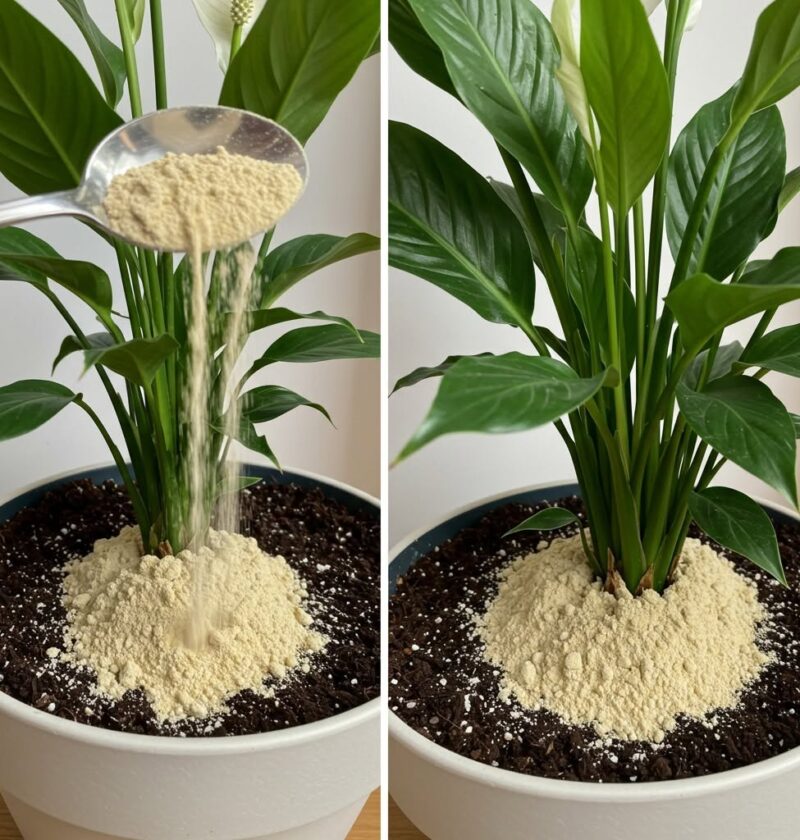
A Peace Lily is a popular indoor plant known for its elegant white flowers and air-purifying reputation.
🌿 Peace Lily overview
The peace lily is a plant in the genus Spathiphyllum wallisii.
It’s commonly grown as a houseplant because it:
- Tolerates low light
- Needs relatively little care
- Produces white “flower-like” bracts
- Helps improve indoor air quality (to a limited extent)
🌱 Care basics
- Light: Low to medium indirect light (avoid direct sun)
- Water: Keep soil slightly moist; don’t let it dry out completely
- Temperature: Warm indoor conditions (18–30°C ideal)
- Soil: Well-draining potting mix
- Feeding: Light fertilizer every 4–6 weeks in growing season
⚠️ Important safety note
Peace lilies are toxic if eaten by humans or pets.
They contain calcium oxalate crystals, which can cause:
- Mouth irritation
- Burning sensation
- Drooling or vomiting (in pets)
So it should be kept out of reach of children and animals.
🌼 Common benefits
- Decorative indoor plant
- Helps maintain humidity
- Can slightly reduce indoor air pollutants (but not a substitute for ventilation)
🧠 Bottom line
Peace lily is a low-maintenance decorative houseplant with mild air-quality benefits, but it should not be consumed and is toxic if ingested.
If you want, I can tell you how to make it bloom more often or why it sometimes stops flowering.