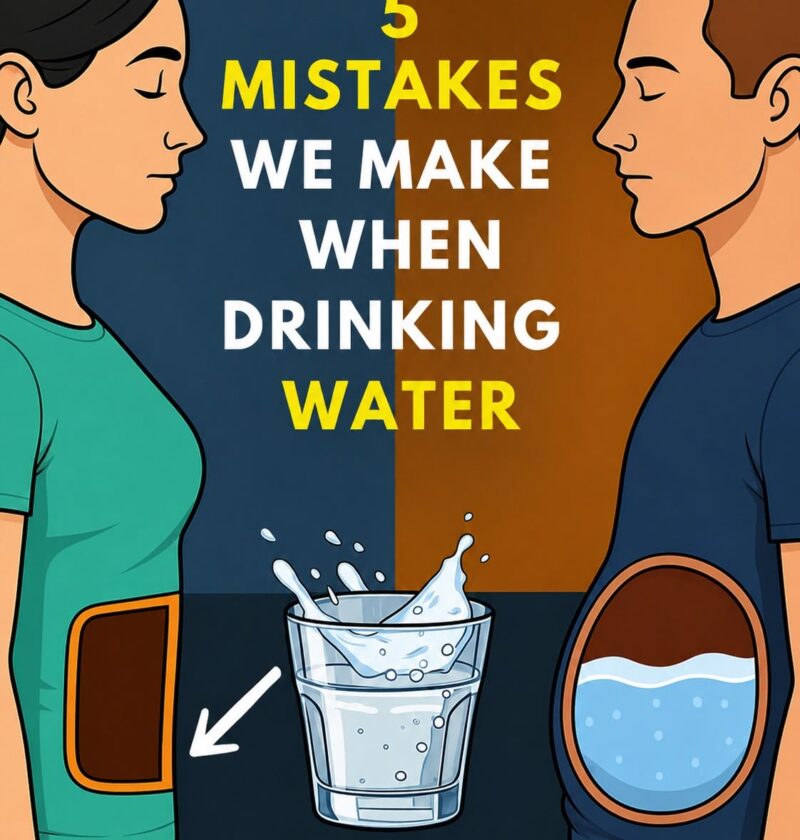
Drinking water “properly” isn’t about strict rules—it’s about keeping your body consistently hydrated without overdoing it. Your needs depend on climate, activity level, diet, and health conditions.
Here’s a simple, science-based guide:
💧 1. Drink steadily, not all at once
- Sip water throughout the day
- Avoid drinking very large amounts in a short time
- Your body absorbs water better in smaller, regular amounts
🕒 2. Start your day with water
- 1 glass after waking up helps rehydrate your body after sleep
- Supports digestion and alertness
🍽️ 3. Drink before meals (not excessive during meals)
- 1 glass 20–30 minutes before eating can help digestion
- Small sips during meals are fine
- Avoid chugging large amounts while eating
🏃 4. Increase intake during activity and heat
- In hot climates like Multan or during exercise, you need more fluids
- Sweat loss increases hydration needs significantly
🚽 5. Check your urine color
A simple natural guide:
- Light yellow → well hydrated
- Dark yellow → need more water
- Very clear all the time → possibly too much water
☕ 6. Don’t rely only on plain water
You also get fluids from:
- Fruits (watermelon, oranges)
- Vegetables
- Soups
But sugary drinks should be limited
⚠️ 7. Avoid overhydration
Drinking excessive water can dilute electrolytes (rare but serious). Don’t force extreme intake like “3–4 liters no matter what.”
🧠 8. Listen to thirst—but don’t ignore it
- Thirst is a reliable signal
- But older adults may feel thirst less, so regular drinking is important
✔️ Simple daily habit plan
- 1 glass on waking
- 1 glass mid-morning
- 1 glass before lunch
- 1–2 glasses afternoon/evening
- Small sips at night if needed
🧠 Bottom line
Good hydration is about balance and consistency, not forcing huge amounts or following viral “water challenges.”
If you want, I can calculate your ideal daily water intake based on your weight and weather in your area.