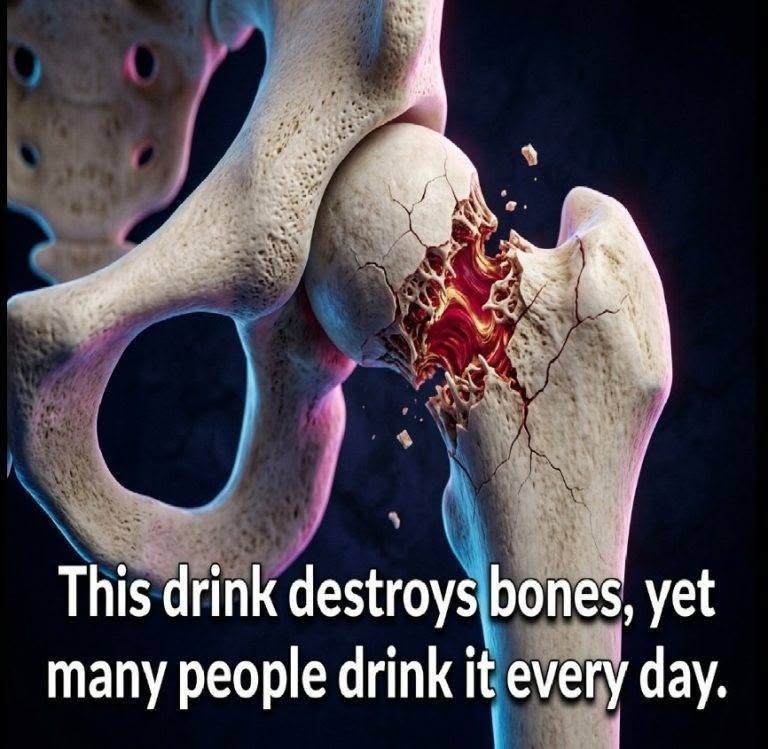
Claims about the “five worst drinks for your bones” are often simplified for headlines. Bone health depends on your overall diet, physical activity, age, hormones, genetics, and medical conditions. That said, experts commonly raise concerns about these beverages when consumed in excess:
1. Sugary Soft Drinks
- Regular sodas can contribute to poor overall diet quality and may displace more nutritious beverages such as milk.
- Some studies have found associations between frequent cola consumption and lower bone mineral density, though the reasons are not fully understood.
2. Excessive Alcohol
- Heavy alcohol use can interfere with bone formation and increase the risk of fractures.
- It can also affect balance and increase fall risk.
3. Highly Sugared Coffee Drinks
- Large specialty coffee beverages may contain substantial amounts of added sugar and calories.
- While moderate coffee consumption is generally considered safe for bone health, very high caffeine intake may slightly increase calcium loss, especially if calcium intake is low.
4. Energy Drinks
- Often contain high levels of caffeine and added sugar.
- Frequent consumption may contribute to excessive caffeine intake, particularly in adolescents and young adults.
5. Sweetened Fruit Drinks and Punches
- Many contain large amounts of added sugar with little nutritional value.
- Regular consumption can contribute to dietary patterns that are less supportive of bone health.
What Helps Protect Bones?
Foods and drinks that support bone health typically include:
- Calcium-rich foods and beverages
- Adequate vitamin D
- Protein in appropriate amounts
- Fruits and vegetables
- Regular weight-bearing exercise such as walking, jogging, dancing, or resistance training
A Balanced Perspective
For most healthy adults, enjoying coffee, soda, or other favorite drinks occasionally is unlikely to significantly harm bone health. The bigger concerns are:
- Chronic heavy alcohol consumption
- Excessive caffeine combined with low calcium intake
- Diets consistently high in added sugars and low in nutrients that support bone health
If you’re concerned about osteoporosis or fracture risk, discussing your diet, exercise habits, and risk factors with a healthcare professional can provide more personalized guidance.