A few grounded points to put it in context:
1) Statin side effects are real, but often over-attributed
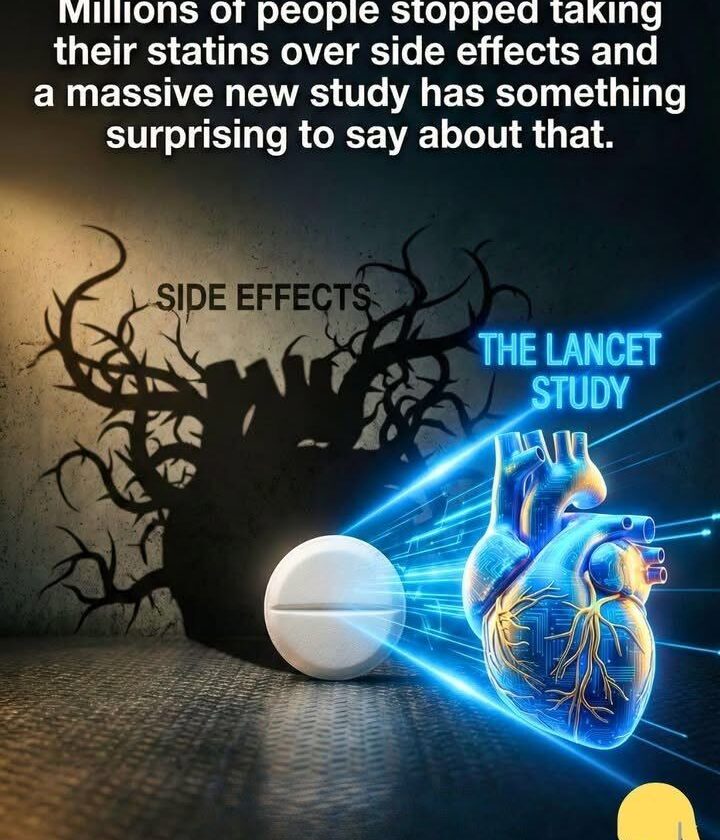
Statins (used to lower LDL cholesterol and reduce heart disease risk) can cause side effects in a small proportion of people — most commonly muscle aches. However, in large blinded trials, the rate of muscle symptoms in people taking statins is often very close to placebo. That’s where the idea of a strong nocebo effect comes in (people expect side effects, so they experience them more).
2) Discontinuation is often driven by perception
In real-world settings (outside tightly controlled trials), many people stop statins because they believe the drug is causing symptoms. Sometimes that belief is correct, but often it isn’t confirmed objectively. This mismatch between trial data and real-world experience is exactly what large observational studies try to understand.
3) “150,000 patients” doesn’t automatically settle the question
A large sample size is impressive, but it doesn’t guarantee a definitive conclusion. The key questions are:
- Was it randomized or observational?
- How were side effects measured (self-report vs clinical diagnosis)?
- Was there a blinded re-challenge (stopping/restarting statins)?
- How did they separate true drug intolerance from expectation effects?
Without those details, “may change everything we thought” is usually more media framing than scientific consensus shift.
4) The current consensus hasn’t flipped
Major cardiology guidelines still strongly support statin use for people at elevated cardiovascular risk, because the reduction in heart attacks and strokes is very well established. At the same time, they also acknowledge that a subset of patients do have genuine intolerance and need alternatives.
If you can share the link or name of the study you saw, I can break down what it actually found and whether it really changes anything — or just re-packages what’s already known in statin research.