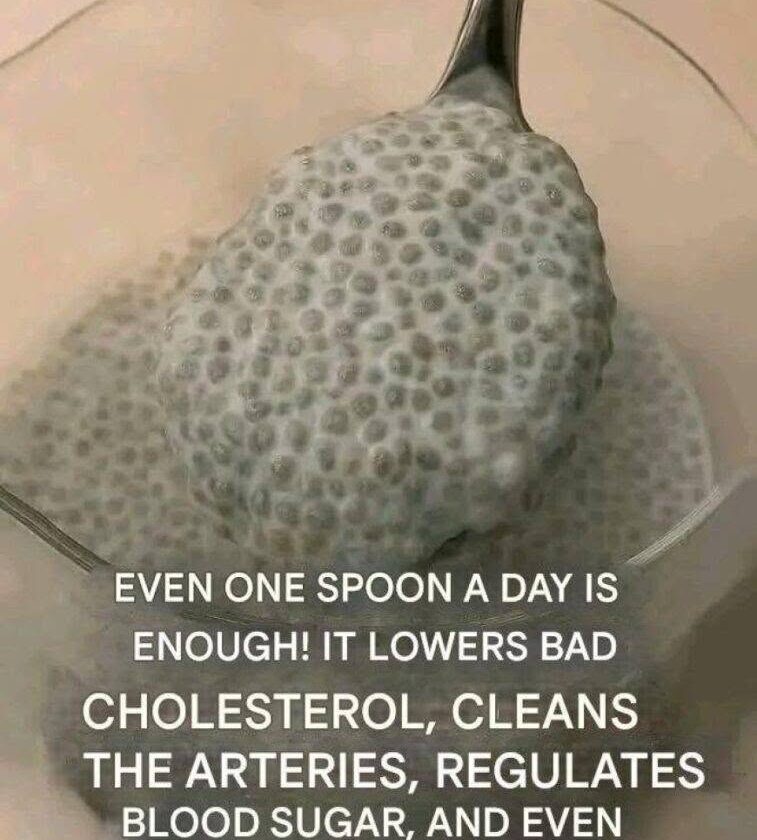
That claim is a classic example of a health headline that overstates what a food can do.
Why to be skeptical
Phrases like:
- “Lowers bad cholesterol”
- “Cleans arteries”
- “Regulates blood sugar”
- “Suppresses hunger”
- “Just one spoonful a day is enough”
are often used to market a “superfood” or supplement. In reality, no single spoonful of a food reliably does all of those things for everyone.
What may be partly true
Some foods—such as Flaxseed, Chia seed, Psyllium, or Olive oil—have evidence suggesting they can:
- Modestly improve cholesterol levels
- Help with fullness (satiety)
- Support blood sugar control when included in a healthy diet
But the effects are generally modest and gradual, not dramatic.
Red flags in the claim
- “Cleans arteries” is not a medical term. Foods do not literally scrub plaque out of blood vessels.
- “One spoonful a day is enough” oversimplifies complex conditions.
- High cholesterol, diabetes, and obesity are influenced by overall diet, activity, genetics, and medical conditions—not a single ingredient.
Bottom line
A nutritious food can be part of a healthy lifestyle, but there is no proven spoonful-sized remedy that simultaneously cleans arteries, fixes blood sugar, lowers cholesterol, and suppresses hunger in a powerful way.
If you tell me what the ingredient is, I can explain what the scientific evidence actually shows.