The liver can continue working well even when it’s affected by disease, so early liver problems often cause few or no symptoms. However, the following signs can occur with liver disease. Most are not specific to liver disease and can have other causes, so they should be evaluated in context.
Here are 17 possible signs:
- Yellowing of the skin or eyes (jaundice).
- Dark urine that isn’t explained by dehydration.
- Pale, gray, or clay-colored stools.
- Persistent itching without an obvious rash.
- Fatigue or unusual weakness.
- Loss of appetite.
- Nausea or vomiting.
- Pain or discomfort in the upper right abdomen.
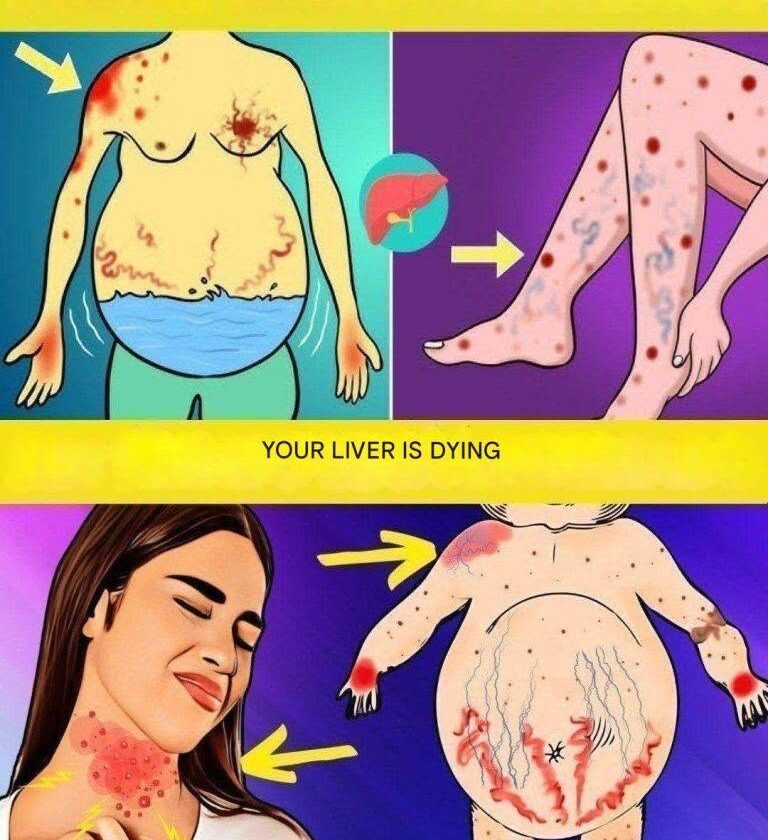
- Swelling of the abdomen (ascites).
- Swelling of the legs or ankles.
- Easy bruising or bleeding.
- Unexplained weight loss.
- Confusion, difficulty concentrating, or excessive sleepiness, especially in advanced liver disease.
- Spider-like blood vessels visible on the skin.
- Redness of the palms (palmar erythema).
- A tendency to develop infections more easily, particularly in advanced liver disease.
- A feeling of fullness or bloating, sometimes related to an enlarged liver or fluid buildup.
When to seek urgent medical care
Seek prompt medical attention if you have:
- Jaundice.
- Severe abdominal pain.
- Vomiting blood or passing black, tarry stools.
- Confusion or difficulty staying awake.
- Rapidly increasing abdominal swelling.
Common causes of liver disease
- Viral hepatitis.
- Excessive alcohol use.
- nonalcoholic fatty liver disease (fat buildup in the liver unrelated to heavy alcohol use).
- Certain medications or supplements.
- Autoimmune or inherited liver disorders.
If you’re concerned about your liver, a healthcare professional may recommend blood tests (often called liver function tests), imaging such as an ultrasound, or other evaluations depending on your symptoms and risk factors. Early diagnosis can make many liver conditions more manageable.