1. What it does
It lowers LDL (“bad”) cholesterol and triglycerides while modestly raising HDL (“good”) cholesterol.
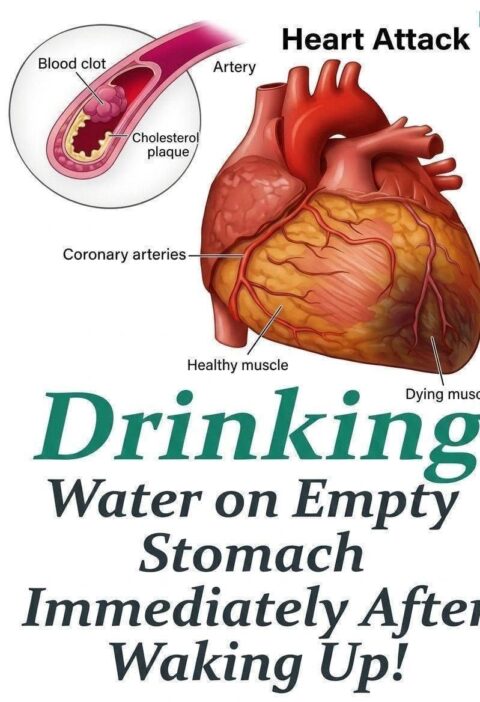
2. It reduces heart attack risk
It doesn’t just change lab numbers—it lowers risk of heart attack and stroke in people at risk.
3. Muscle pain is the most common side effect
Some people experience muscle aches, weakness, or stiffness.
4. Rare but serious muscle damage
In very rare cases, it can cause rhabdomyolysis, a severe muscle breakdown condition.
5. Liver enzyme changes
It can increase liver enzymes, usually mild, but doctors sometimes monitor liver function.
6. Not everyone gets side effects
Most people tolerate it well—serious side effects are uncommon.
7. Can affect blood sugar
It may slightly increase the risk of type 2 diabetes, especially in people already at risk.
8. Digestive symptoms
Some users report nausea, constipation, or stomach discomfort.
9. Possible fatigue or sleep issues
A small number of people notice tiredness or sleep disturbance.
10. Interactions with other drugs
Certain antibiotics, antifungals, and heart medications can increase side effects.
11. Grapefruit warning
Large amounts of grapefruit can increase drug levels in the blood, raising side effect risk.
12. Alcohol caution
Heavy alcohol use can increase liver strain while on statins.
13. It works best long-term
Benefits build over time—this is a daily long-term medication, not a quick fix.
14. Stopping it reverses benefits
If you stop, cholesterol levels usually return to previous levels within weeks.
15. Lifestyle still matters
Diet, exercise, and weight control still play a major role—even when taking statins.
When to seek medical advice
Contact a doctor if you experience:
- Severe muscle pain or weakness
- Dark urine
- Yellowing of skin/eyes
- Unusual fatigue
If you want, I can also explain who should take atorvastatin, safer alternatives, or how it compares to other statins.