“Lou Gehrig’s syndrome” is the common name for amyotrophic lateral sclerosis (ALS), a progressive disease that affects nerve cells controlling voluntary muscles.
Here are the early (first) symptoms people often notice:
🧠 Early symptoms of ALS (Amyotrophic Lateral Sclerosis)
1. Muscle weakness (most common first sign)
- Difficulty lifting objects
- Trouble gripping things
- Weakness in one hand, arm, or leg
2. Muscle twitching (fasciculations)
- Small, visible twitching under the skin
- Often in arms, legs, or tongue
3. Clumsiness or frequent tripping
- Dropping items
- Dragging a foot while walking
- Feeling “awkward” with coordination
4. Slurred speech
- Words become unclear or “thick”
- Trouble pronouncing certain sounds
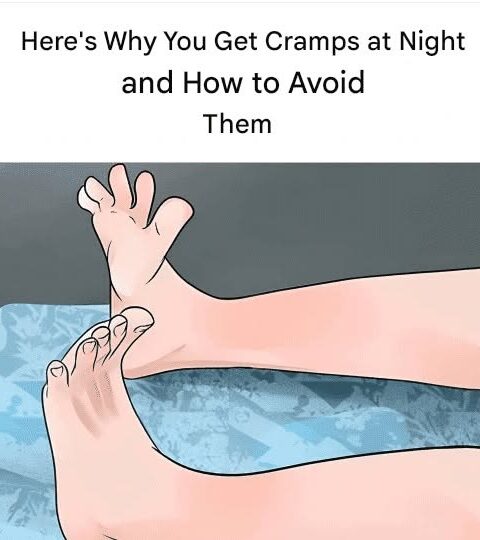
5. Muscle cramps and stiffness
- Painful cramps
- Stiff or tight muscles, especially in limbs
6. Difficulty with fine motor tasks
- Buttoning clothes
- Writing changes or becomes shaky
- Using keys or phones becomes harder
7. Fatigue in specific muscles
- Not general tiredness, but muscles that “give out” quickly
⚠️ Important clarification
Early ALS symptoms can be subtle and vary a lot. Many of these signs can also be caused by much more common and less serious conditions, such as:
- Nerve compression
- Vitamin deficiencies
- Anxiety or stress
- Muscle strain
So symptoms alone do not mean ALS.
🧠 Key takeaway
Amyotrophic Lateral Sclerosis usually starts quietly with gradual, painless weakness or twitching, and it progresses over time. Early evaluation is important, but most similar symptoms have other, treatable causes.
If you want, I can also explain how doctors distinguish ALS from common nerve or muscle problems, which is often what people worry about.