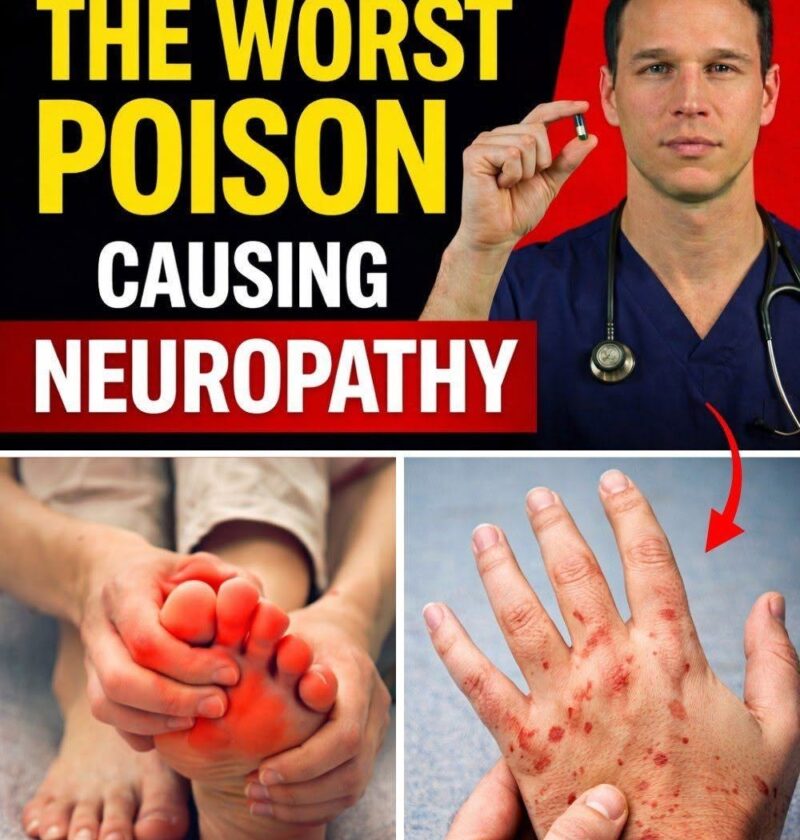
⚠️ “9 Blood Sugar Mistakes That Are Destroying Your Nerves” — What This Claim Really Means
You may have seen viral warnings like:
“9 blood sugar mistakes are destroying your nerves and causing neuropathy — doctor warns!”
This type of headline is designed to sound urgent and scary, but it usually mixes some real medical facts with oversimplified or exaggerated claims.
Let’s break it down properly.
🧠 What “neuropathy” actually is
Peripheral neuropathy is a condition where nerves—usually in the hands and feet—become damaged. It can cause:
- Tingling or “pins and needles”
- Burning pain
- Numbness
- Weakness
- Loss of balance or coordination
One of the most common causes is long-term uncontrolled high blood sugar, especially in people with Type 2 Diabetes.
But it develops over years, not suddenly from a few “mistakes.”
🚫 The truth about “9 blood sugar mistakes”
These lists are usually not official medical guidelines. They often exaggerate normal habits into “dangerous mistakes.”
Here are examples of what they typically include—and what’s actually true:
1. “Skipping medication”
Yes—missing prescribed diabetes medication can lead to poor blood sugar control.
But neuropathy doesn’t happen overnight from occasional misses.
2. “Eating too many carbs”
Carbohydrates raise blood sugar, but they are not “poison.”
The issue is overall balance and portion control, not eliminating carbs completely.
3. “Not exercising”
Regular movement helps insulin work better.
But lack of exercise alone doesn’t directly “destroy nerves.”
4. “Ignoring high blood sugar”
Chronic high glucose over time can damage blood vessels and nerves.
This is one of the most medically accurate points.
5. “Poor sleep”
Sleep affects insulin sensitivity, but it’s a risk factor, not a direct nerve-destroying trigger.
6. “Stress”
Stress hormones can raise blood sugar temporarily, but again—this is long-term and indirect.
7. “Not checking blood sugar”
Monitoring helps manage diabetes, but neuropathy depends on long-term control, not single readings.
8. “Smoking”
Smoking damages blood vessels and increases complications risk.
This one is strongly supported by medical evidence.
9. “Ignoring symptoms”
Delaying treatment for tingling or numbness can allow progression—but symptoms usually develop gradually.
🧬 What actually causes nerve damage
Medical evidence shows neuropathy risk increases mainly from:
- Long-term uncontrolled high blood sugar
- Poor circulation
- High blood pressure
- Smoking
- Duration of diabetes
It is not caused by one or two daily mistakes, but by years of uncontrolled metabolic stress.
⚖️ Why these headlines go viral
These warnings are designed to:
- Trigger fear (“your nerves are being destroyed!”)
- Push clicks and shares
- Oversimplify complex medical science
- Sell supplements or courses in some cases
They often take real concepts and exaggerate them into urgency.
✅ The real prevention advice (what doctors actually recommend)
To reduce neuropathy risk:
- Keep blood sugar in a healthy target range (if diabetic)
- Exercise regularly (even walking helps)
- Avoid smoking
- Eat balanced meals (not extreme restriction)
- Get regular checkups
- Manage blood pressure and cholesterol
🧾 Bottom line
The headline is partially based on real medical facts, but it is written in a fear-based, exaggerated way.
Neuropathy is serious—but it develops gradually and can often be prevented or slowed with proper long-term care, not by avoiding a list of “9 mistakes.”
If you want, I can also explain:
- Early warning signs of neuropathy
- Or how to reverse symptoms in early stages
- Or a simple daily blood sugar control plan