1. Sugary soft drinks
Regular sodas are often associated with lower diet quality and may displace milk or other calcium-rich beverages. Some studies have found links between high soft-drink consumption and lower bone mineral density, especially when intake is very high.
2. Excessive alcohol
Heavy alcohol consumption can interfere with bone formation, increase fracture risk, and affect calcium and vitamin D metabolism. Moderate consumption has a much smaller effect than chronic heavy drinking.
3. Highly sweetened energy drinks
These can contain large amounts of sugar and caffeine. The concern is less about a unique effect on bones and more about excessive caffeine, poor overall nutrition, and replacing healthier beverages.
4. Very high-caffeine drinks
Large amounts of caffeine may slightly increase calcium loss through urine. For most healthy adults, moderate caffeine intake is not a major threat to bone health, especially when calcium intake is adequate.
5. Sugary coffee or specialty drinks
The issue is usually not the coffee itself but the large amounts of added sugar, syrups, and calories. These beverages can contribute to poorer overall dietary patterns if consumed frequently.
What matters more than avoiding specific drinks
Strong bones depend primarily on:
- Adequate calcium intake
- Adequate vitamin D
- Regular weight-bearing exercise
- Sufficient protein
- Not smoking
- Limiting excessive alcohol
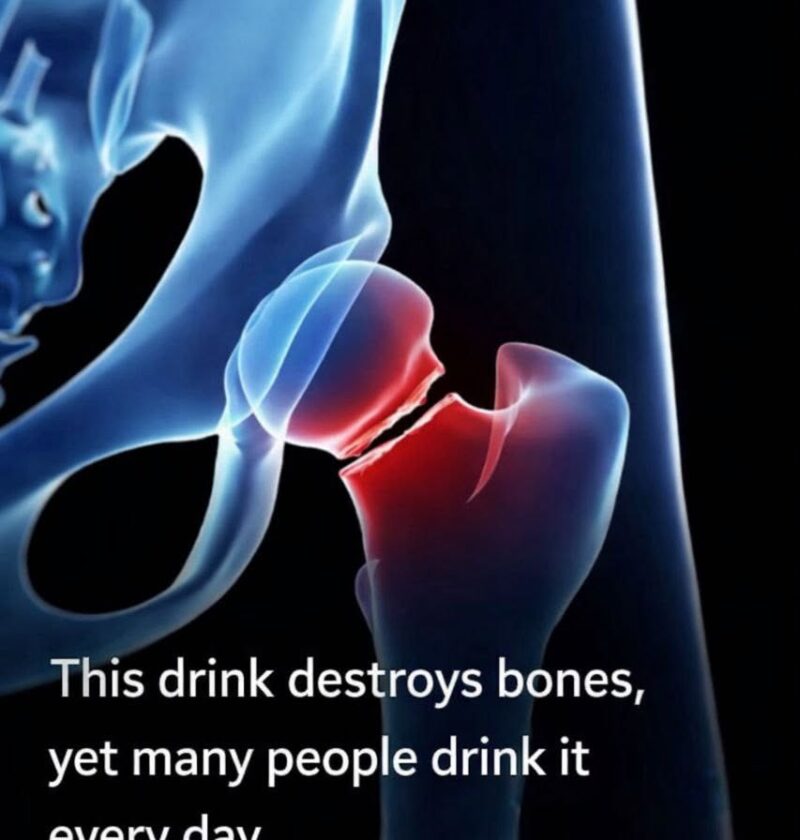
Bone weakening and fractures are commonly associated with conditions such as Osteoporosis, which is influenced by many factors beyond beverage choice.
Bottom line
The biggest concerns for bone health are generally:
- Heavy alcohol use
- Excessive consumption of sugary soft drinks
- Very high caffeine intake without adequate calcium
There is no universally accepted medical list of “the five worst drinks for bones,” and occasional consumption of these beverages is unlikely to harm bone health in someone with a balanced diet and healthy lifestyle.