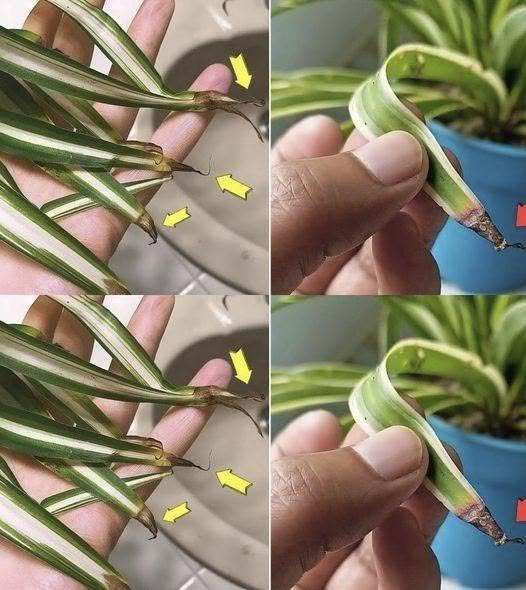
Brown tips on herbaceous plants are usually a sign that the plant is under some type of stress. The most common causes are:
💧 1. Watering problems
- Underwatering: Dry soil can cause leaf tips to dry out and turn brown.
- Overwatering: Soggy soil can damage roots, making it harder for the plant to absorb water, leading to brown tips.
🌬️ 2. Low humidity
Many indoor plants develop brown leaf tips when the air is too dry, especially during winter or in air-conditioned rooms.
🧂 3. Excess fertilizer or salt buildup
Too much fertilizer can “burn” the roots and leaf tips. Minerals and salts from tap water can also accumulate in the soil over time.
☀️ 4. Too much direct sunlight
Some herbaceous plants prefer indirect light. Excessive sun exposure can scorch the leaves, causing browning at the edges and tips.
🌡️ 5. Temperature stress
- Hot, dry winds
- Cold drafts from windows or air conditioners
- Sudden temperature changes
can all cause leaf-tip browning.
🪴 6. Root problems
If the plant is root-bound (roots filling the pot) or has root rot, it may not be able to take up water and nutrients efficiently.
🦠 7. Pests or disease
Spider mites, thrips, and some fungal diseases can damage leaves and contribute to browning.
How to diagnose the cause
Ask yourself:
- Is the soil consistently dry or constantly wet?
- Has the plant been fertilized recently?
- Is it near a heater, air conditioner, or drafty window?
- Are the brown tips appearing on many leaves or just a few?
- Do you see insects, webbing, or spots on the leaves?
What to do
- Water consistently according to the plant’s needs.
- Ensure the pot has good drainage.
- Flush the soil occasionally with clean water to remove excess salts.
- Increase humidity if the air is very dry.
- Avoid over-fertilizing.
- Trim off brown tips with clean scissors if desired.
If you tell me the specific plant (for example, a peace lily, basil, mint, spider plant, etc.), I can give more targeted advice.